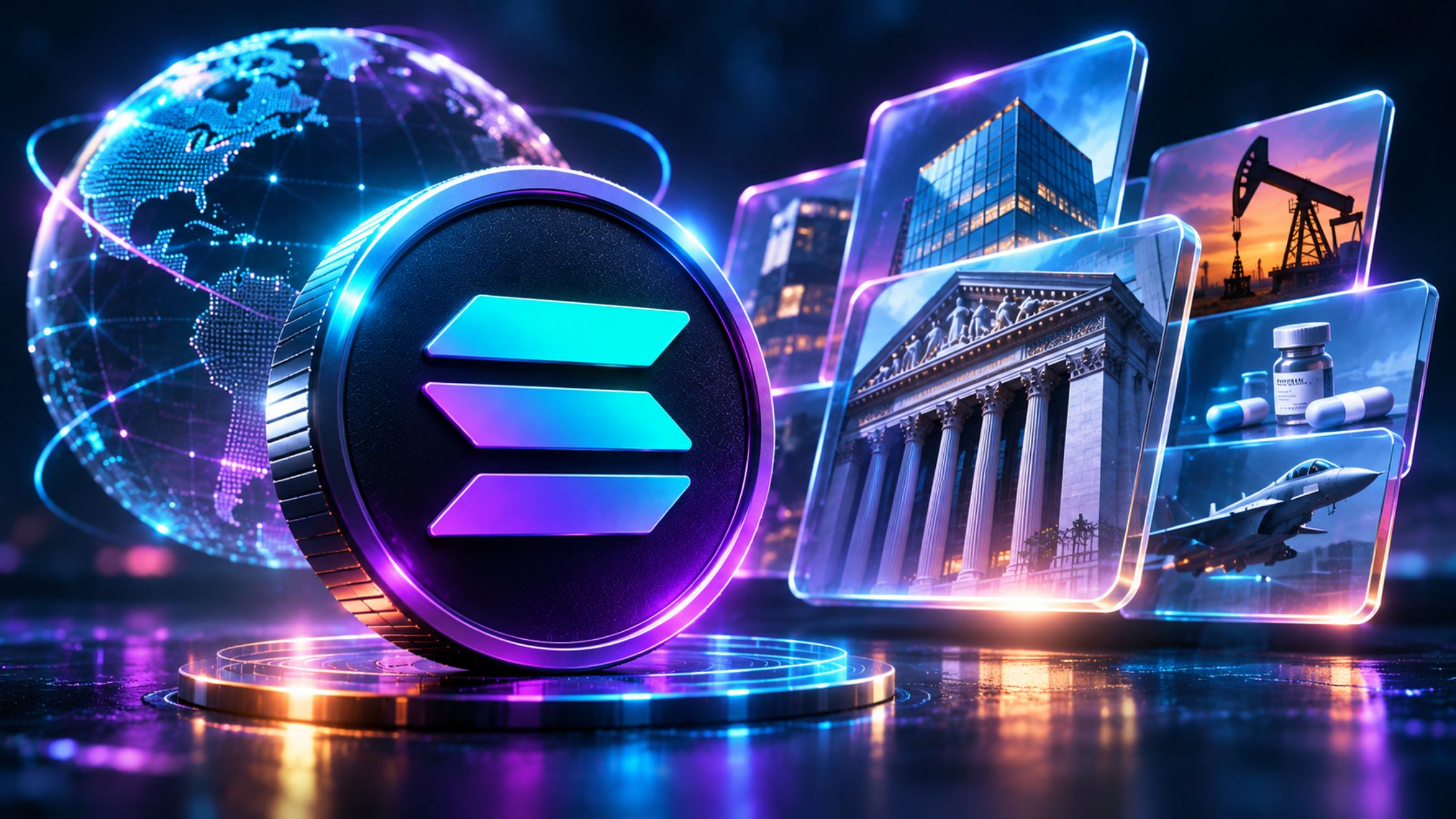
Solana Tokenized Stocks Expansion is bringing more traditional equities onto blockchain rails, but the announcement has not lifted SOL. On November 2, 2026, Securitize added 13 American stocks to its on-chain offering, increasing the available selection to 25. The move highlights institutional interest despite crypto market weakness.
Securitize Adds 13 More US Equities
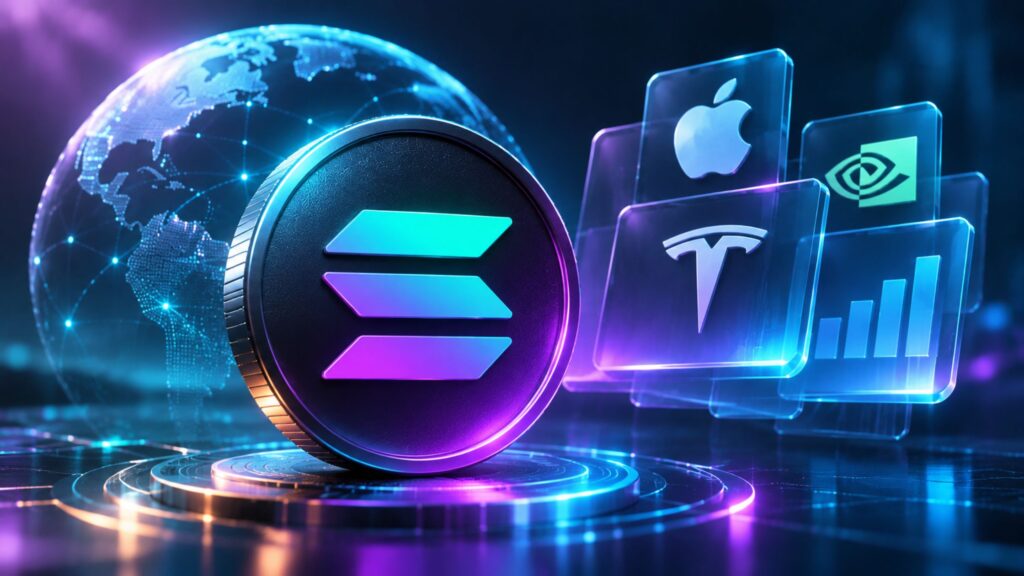
Securitize launched its first 12 tokenized equities on October 8. Its second wave features Arista Networks, Flex, Exxon Mobil, GameStop, Johnson & Johnson, Lockheed Martin, Lumentum, Merck, Salesforce, Seagate, Texas Instruments, Walt Disney, and Uber.
The original selection includes Apple, Microsoft, Nvidia, Alphabet, Tesla, Meta, Amazon, Netflix, Circle, SpaceX, Strategy, and Palantir.
The additions broaden exposure beyond technology into energy, pharmaceuticals, defense, entertainment, and industry. Eligible investors across permitted jurisdictions can access these products after regulatory checks.
How Tokenized Shares Actually Work
The Solana Tokenized Stocks Expansion is built around one-for-one backing. According to Securitize, each token represents a security entitlement supported by an underlying company share, rather than a synthetic bet on its price.
The structure is intended to preserve applicable economic benefits, including dividends and voting rights where available. Supporting shares are not lent out, and the listed companies have not issued or endorsed these tokens. Investors must still consider brokerage arrangements, custody, jurisdictional restrictions, and market risks.
Transactions settle in USDC on Solana, with Jump Trading supporting liquidity infrastructure. Trading currently extends beyond conventional exchange hours, while continuous access remains a future objective. Extended hours cannot guarantee deep liquidity or attractive execution.
Securitize has also outlined potential compatibility with planned tokenized securities venues. However, future listings depend on those platforms launching and meeting regulatory requirements.
Solana Payments and Network Activity Strengthen
The broader crypto ecosystem offers additional context. Paymentscan figures shared by Solana indicate stablecoin card spending reached approximately $141 million during October 2026, reportedly seven times the level recorded one year earlier.
Separately, figures presented at Solana Summit India included almost $300 million in quarterly application revenue, $197 billion in spot decentralized exchange volume, and a stablecoin market capitalization of $17.51 billion.
These measurements suggest increasing blockchain usage, but they describe different activities and reporting periods. None proves that holders must buy SOL in proportion to adoption. Tokenized equity trading also settles in USDC, although Solana network transactions require native fees.
SOL Price Faces Immediate Selling Pressure
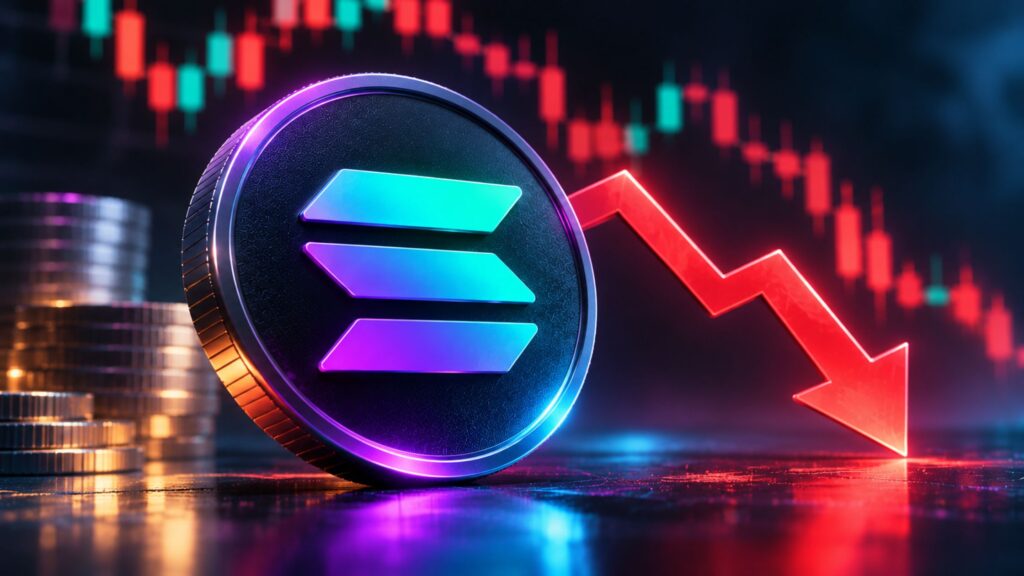
Despite the Solana Tokenized Stocks Expansion, SOL traded around $92 on November 3, according to the cited market snapshot. The token had fallen approximately 3.52% over 24 hours, with market capitalization near $54.3 billion and trading volume around $2.69 billion.
Rising volume alongside declining prices can reflect stronger trading activity during a selloff, although it does not independently reveal whether buyers or sellers will dominate next.
For the crypto market, the key distinction is between blockchain adoption and short-term token demand. Higher activity may support the network’s long-term relevance, but macroeconomic uncertainty, leverage, and broader sentiment can still suppress prices.
What Investors Should Watch Next
The rollout gives investors several developments to monitor: actual trading participation, order-book liquidity, the availability of extended sessions, and progress toward regulated around-the-clock venues.
Crypto investors may track payment growth and application revenue. These indicators could clarify demand for network infrastructure without serving as reliable short-term price predictions.
Conclusion
Solana Tokenized Stocks Expansion marks another step toward connecting regulated securities with blockchain settlement. Securitize’s wider equity offering brings regulated equities into crypto, yet SOL’s weakness shows adoption does not guarantee immediate appreciation. A sustained recovery will require improving market conditions and measurable usage, not announcements alone.