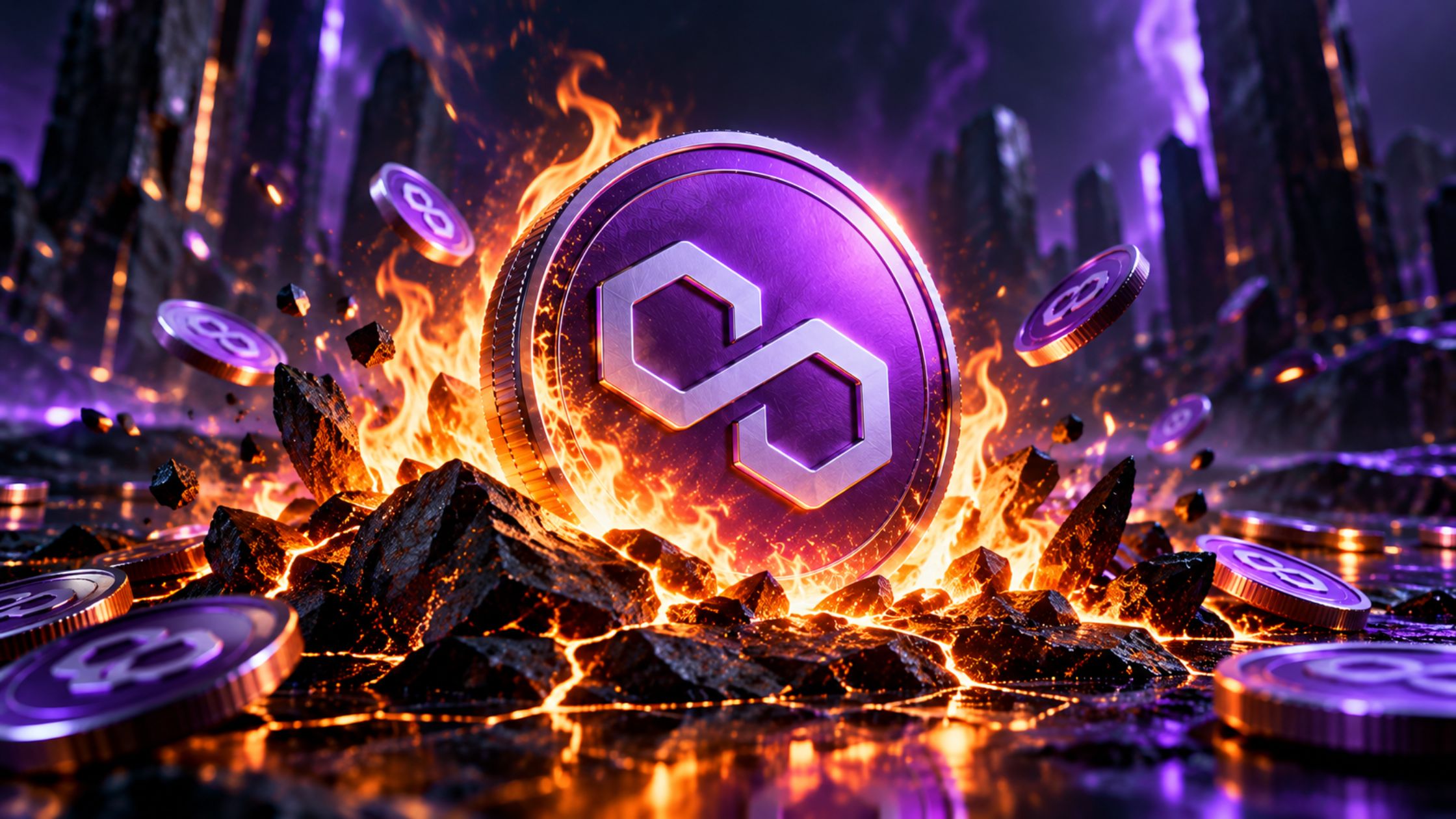
The Polygon POL Token Burn story is gaining attention after co-founder Sandeep Nailwal announced that another 22 million POL is lined up for a potential supply reduction. Following a previous 100 million token burn, investors are watching whether recurring burns and Open Money Stack (OMS) activity could influence Polygon’s long-term token economics.
Why Is Another Polygon POL Token Burn Expected?
Nailwal recently stated that 22 million additional POL tokens were lined up for the next burn stage, representing approximately 0.20% of the reported supply. However, he did not announce a confirmed transaction date or explain exactly where these tokens currently sit.
The announcement follows Polygon’s earlier supply reduction and introduces the possibility of another scheduled or community-triggered event. Nevertheless, investors should distinguish between a planned burn and a completed blockchain transaction.
Nailwal also suggested that OMS could have a greater impact on POL than the market currently recognizes, promising further details.
How Did the Previous 100 Million POL Burn Work?
Polygon completed its first reported major supply reduction on September 23, 2026. The transaction removed 100 million POL, equivalent to approximately 1% of the original 10 billion token supply.
According to Nailwal, network fees funded the burn through accumulated balances in the fee collector. He previously reported approximately 121 million POL in that collector, leaving around 21 million after the transaction.
These figures reflect his public statements and should not be treated as independently audited financial information.
The proposed 22 million token reduction could indicate that the process will continue as network fees accumulate. However, the next transaction remains unconfirmed.
What Could Another POL Burn Mean for Supply?
At $0.10 per POL, burning 22 million tokens represents approximately $2.2 million. Polygon’s annual emission rate remains around 2%, equivalent to 200 million tokens against its original 10 billion supply. The previous 100 million burn covered roughly half that issuance. Therefore, investors should monitor future burns, annual emissions, and circulating supply to assess whether Polygon achieves sustained net deflation.
Can Open Money Stack Support Future Burns?
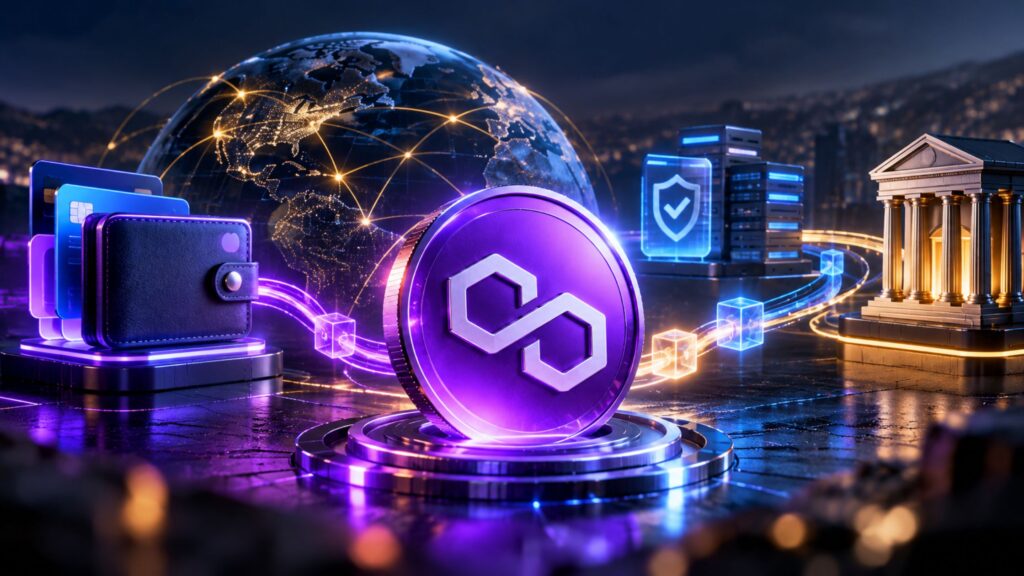
Another important development involves the Open Money Stack, Polygon’s stablecoin payments platform. The project combines payment infrastructure, wallets, compliance tools, fiat access, and blockchain settlement.
Nailwal claimed that OMS processed more than $1 billion in annualized volume for two consecutive weeks. However, his post did not specify the currency, provide a public dashboard, or explain the calculation methodology.
Therefore, the reported figure remains a project claim rather than independently verified evidence.
Greater payments activity could strengthen network usage. If transactions generate additional fees that fund future burns, OMS adoption might indirectly support POL’s supply-reduction mechanism. Still, transaction volume alone does not establish how much revenue the network collects or how many tokens it will burn.
What Should Crypto Investors Watch Next?
Investors following crypto developments around Polygon should focus on three measurable indicators.
First, watch for a confirmed blockchain transaction establishing whether the proposed 22 million POL burn actually occurs. Second, track the fee collector balance to understand how future reductions might be funded. Third, compare cumulative burns against annual emissions to evaluate changes in net supply.
Market demand also matters. Reduced token supply does not guarantee price appreciation because investor sentiment, liquidity, competition, and broader market conditions influence valuations.
Conclusion
The Polygon POL Token Burn announcement suggests that supply reduction could become a recurring feature rather than a single event. The proposed 22 million POL burn remains unconfirmed, while OMS volume claims require additional transparency.
Ultimately, completed transactions, updated supply figures, and verified network activity will provide stronger evidence than announcements alone. Investors should assess these developments alongside market demand and token emissions before drawing conclusions about POL’s future price.