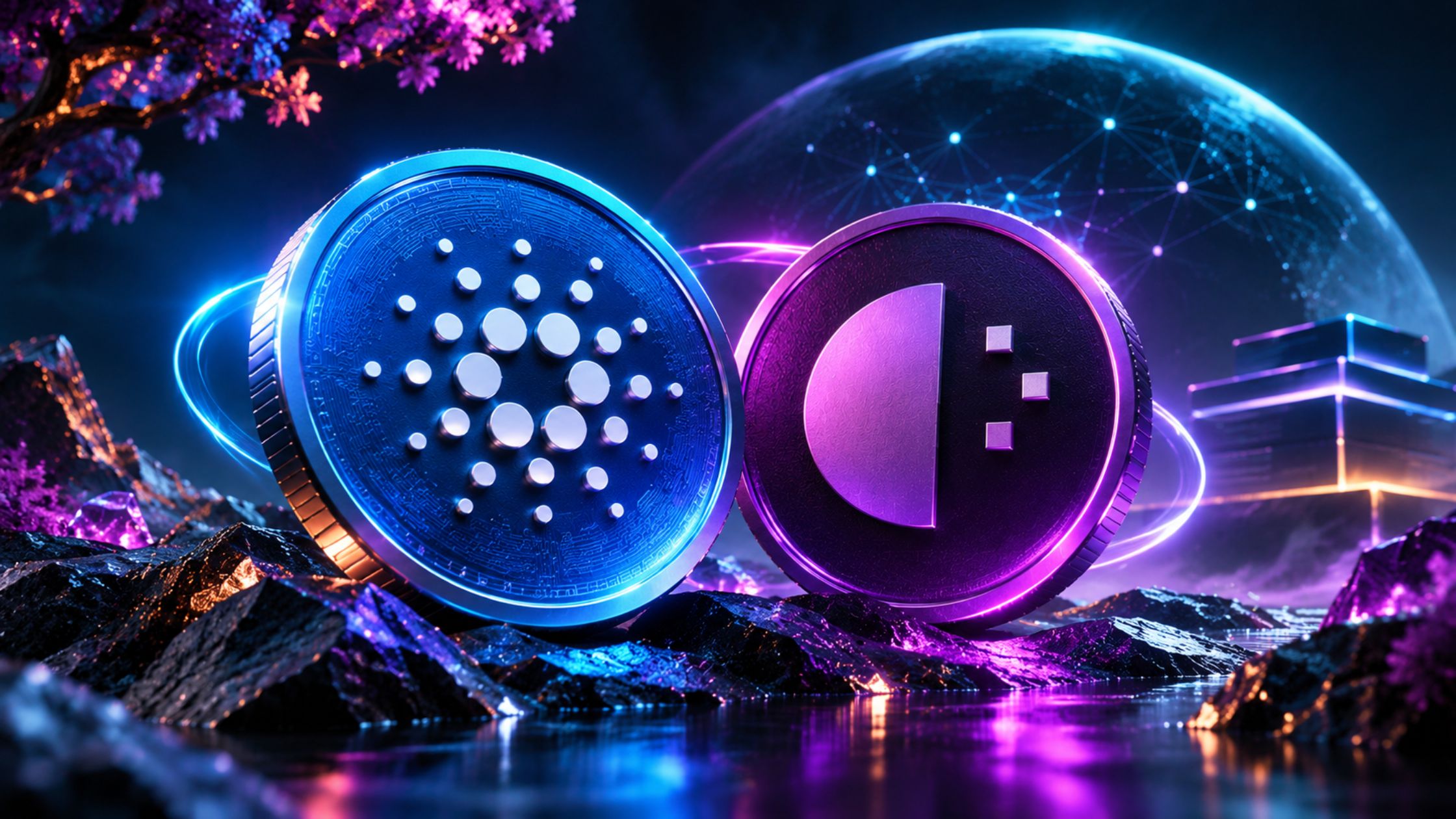
Cardano and Midnight News present a striking contrast on November 3, 2026: development activity is accelerating while token prices remain under pressure. ADA is testing recent lows, and Midnight’s NIGHT token has weakened over the past day. However, several releases and ecosystem announcements suggest the underlying projects are still moving forward.
The divergence highlights a crypto market lesson. Network progress can strengthen long-term utility without immediately translating into demand for a token. Traders are weighing broader market conditions against new milestones, rather than treating every launch as a reason to buy.

ADA Price Near Weekly Low
According to the CoinGecko figures cited for November 3, ADA trades around $0.188, down 2.7% over 24 hours and 7.8% across seven days. Its weekly low stands near $0.186. Cardano’s market capitalization is approximately $7.082 billion, with daily trading volume around $191.971 million.
Those numbers point to selling pressure, but they do not establish that Cardano’s latest announcements caused the decline. In volatile crypto markets, liquidity conditions and shifts in investor appetite can outweigh project-specific headlines.
Node 11.2 Moves Toward Dijkstra
A major development in Cardano and Midnight News is the pre-release of Cardano Node 11.2.0. The software introduces a versioned configuration format through the cardano-config library while preserving compatibility with older configuration files. It also expands the gRPC interface and addresses operational issues.
Crucially, this is a pre-release, not a production upgrade recommended for mainnet deployment. The changes support preparations for the proposed Dijkstra hard fork and future work associated with Leios and Peras. Node 11.3 remains under development.
For validators and infrastructure operators, these improvements matter because dependable tooling and implementation readiness can influence network performance. Still, a software milestone alone does not guarantee an immediate ADA price recovery.
Atlas Adds Perpetual Trading
Atlas has opened its public beta mainnet, introducing a perpetual futures trading platform within Cardano’s decentralized finance ecosystem. Reported features include stablecoin collateral, market and limit orders, and take-profit or stop-loss controls.
This gives experienced crypto traders another venue for leveraged exposure. Yet perpetual contracts carry substantial liquidation risks, particularly when the crypto market experiences sudden price swings. Users should assess liquidity, protocol security, fees, and collateral requirements before trading.
Midnight Expands Privacy Ambitions
Another development in Cardano and Midnight News concerns Midnight’s reported milestone of more than 1.3 million transactions. The network has also announced a collaboration with Sig Network aimed at bringing programmable privacy capabilities to Ethereum applications.
The proposed arrangement would allow applications to retain Ethereum liquidity while using Midnight technology for sensitive information. However, the scope and availability of integrations should be assessed as implementation details emerge.
NIGHT trades near $0.04012, down 3.7% in 24 hours, according to the supplied CoinGecko snapshot. Its market capitalization is approximately $666.538 million, with daily volume of $10.467 million. Unlike ADA, NIGHT remains up 2.3% over seven days, making its decline a short-term pullback rather than a weekly loss.

Amaru Release Becomes Next Milestone
Attention now turns to the planned November 5 mainnet release of Amaru’s block-producing node. An independent implementation could improve client diversity and reduce dependence on a single codebase, although actual benefits depend on adoption and reliable operation.
For investors, the useful indicators are deployment progress, network usage, DeFi liquidity, and sustained participation. In crypto, development momentum and token performance frequently follow different timelines.
Conclusion
Cardano and Midnight News underscores the distinction between product delivery and market pricing. Node 11.2, Atlas and Midnight highlight ongoing work, while ADA and NIGHT face immediate pressure. Amaru’s proposed release offers another milestone to monitor, but its market impact remains uncertain.