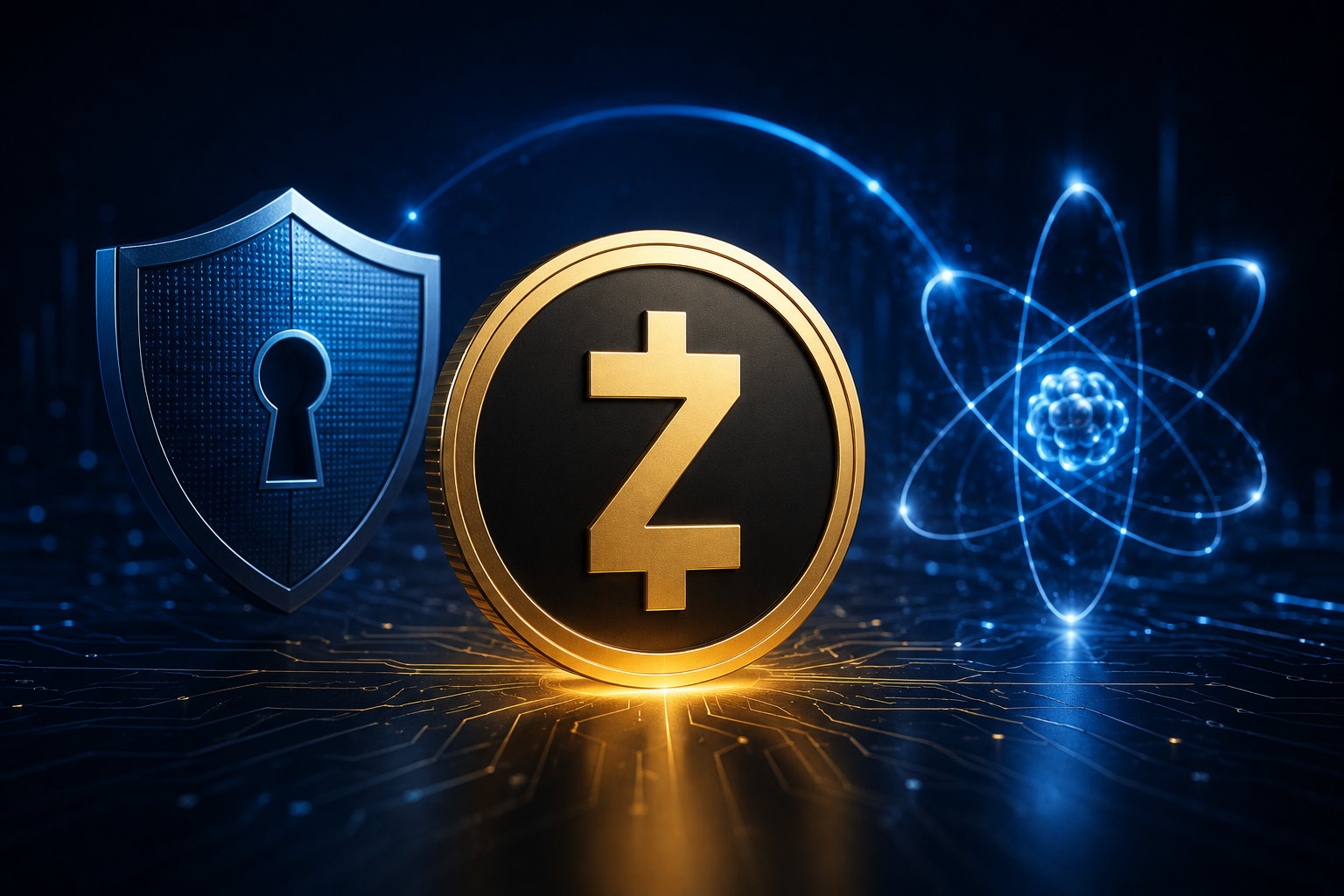
Zcash has unveiled an ambitious roadmap to become one of the first major blockchains fully protected against quantum computing threats. During the recent Consensus 2026 event in Miami, Zcash Open Development Lab CEO Josh Swihart announced plans to launch quantum-recoverable wallets within a month and complete a full post-quantum transition by 2027.
The announcement arrives as concerns about quantum computing continue to grow across the crypto industry. While most blockchain projects are still researching future defenses, Zcash is moving toward real implementation.
What Quantum-Proof Wallets Mean
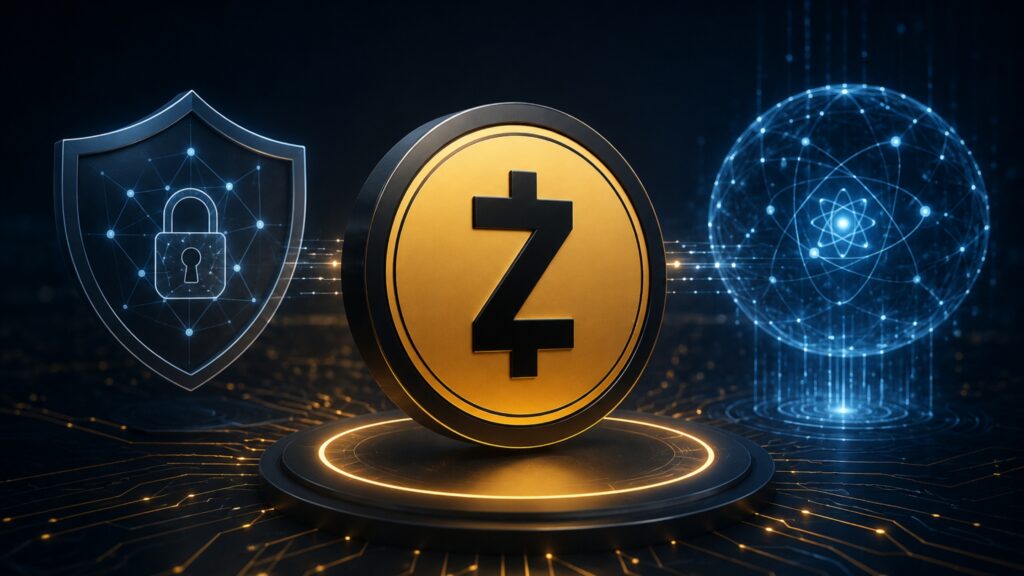
Most cryptocurrencies rely on elliptic-curve cryptography to protect private keys and transactions. Although secure today, future quantum computers could break those protections. This theoretical moment is often called “Q-Day.”
Quantum-recoverable wallets act as a safety mechanism. If current cryptographic systems become vulnerable, users could migrate funds into quantum-resistant wallets without losing assets.
Some experts believe practical quantum threats could emerge before the end of the decade, pushing several blockchain networks to explore quantum resistance strategies.
The Zcash Roadmap Explained
Swihart outlined a three-phase plan at Consensus Miami.
First, Zcash aims to launch quantum-recoverable wallets within roughly one month. It plans to introduce post-quantum cryptography across the protocol within 12 to 18 months.
By mid-2027, Zcash plans to become fully quantum-proof by replacing its current zk-SNARK framework with quantum-resistant systems.
Alongside security upgrades, the project also plans scalability improvements. A separate proposal would reduce block times from 75 seconds to 25 seconds, improving transaction speeds and user experience.
Criticism of Bitcoin’s Privacy Model
Swihart also used the announcement to criticize Bitcoin, arguing that transparent blockchain balances create privacy weaknesses for users.
According to him, Bitcoin functions effectively as a store of value but struggles as a private peer-to-peer payment system. He believes Zcash better reflects the original cypherpunk vision of financial privacy through encrypted transactions and shielded balances.
Those comments drew attention partly because Zcash is now pairing privacy-focused messaging with technical upgrades and active development.
Growing Adoption Supports Momentum
The roadmap announcement also aligns with rising Zcash adoption and strong market performance.
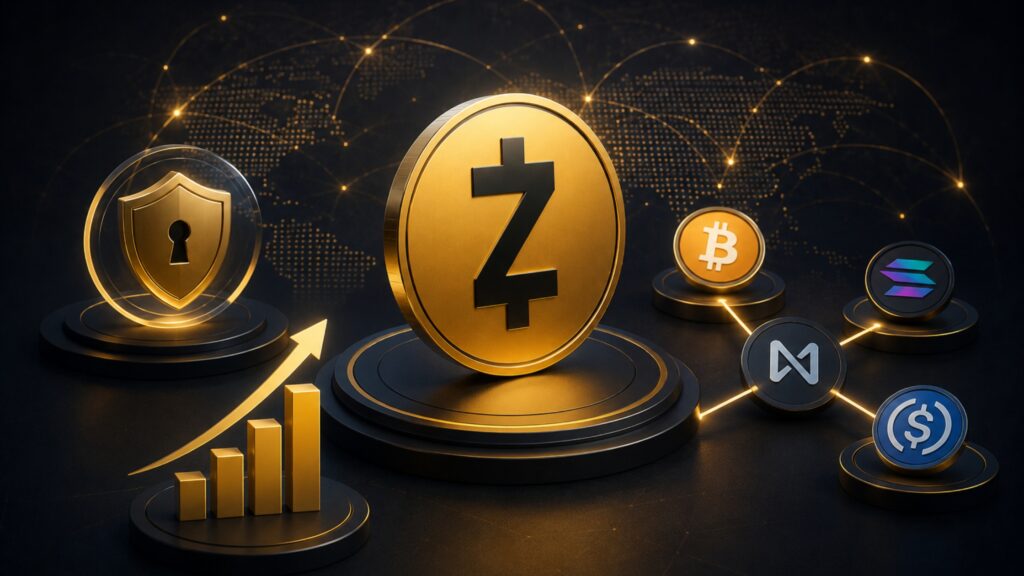
Nearly 30% of circulating ZEC now sits inside the shielded pool, marking an all-time high. Cross-chain activity involving Bitcoin, Solana, and USDC has also expanded through Near Protocol integrations.
Meanwhile, ZEC has climbed more than 110% in the past 30 days as privacy coins regain market attention.
Investor optimism also rose after reports about Multicoin Capital’s investment. Some analysts believe privacy demand and quantum resistance could become a major long-term narrative for Zcash.
Why Quantum Resistance Matters
Quantum computing remains a long-term challenge for the entire blockchain industry, not just Zcash.
Several major networks, including Ethereum and Solana, have already started researching defensive measures against future quantum attacks. Security experts also warn about “harvest now, decrypt later” scenarios where attackers store encrypted blockchain data today in hopes of decrypting it years later with advanced quantum systems.
Privacy-focused networks may face even greater pressure because encrypted transaction histories carry long-term sensitivity.
Conclusion
Zcash’s new roadmap positions the project at the forefront of blockchain quantum security efforts. With quantum-recoverable wallets expected within a month and a full post-quantum transition targeted for 2027, the network is taking a proactive approach while much of the industry remains in the early research stages.
For investors and users, the next major milestone will be whether the promised wallet rollout arrives on schedule. Successful execution could strengthen Zcash’s credibility, support further adoption, and reinforce the ongoing rally surrounding the privacy-focused cryptocurrency.