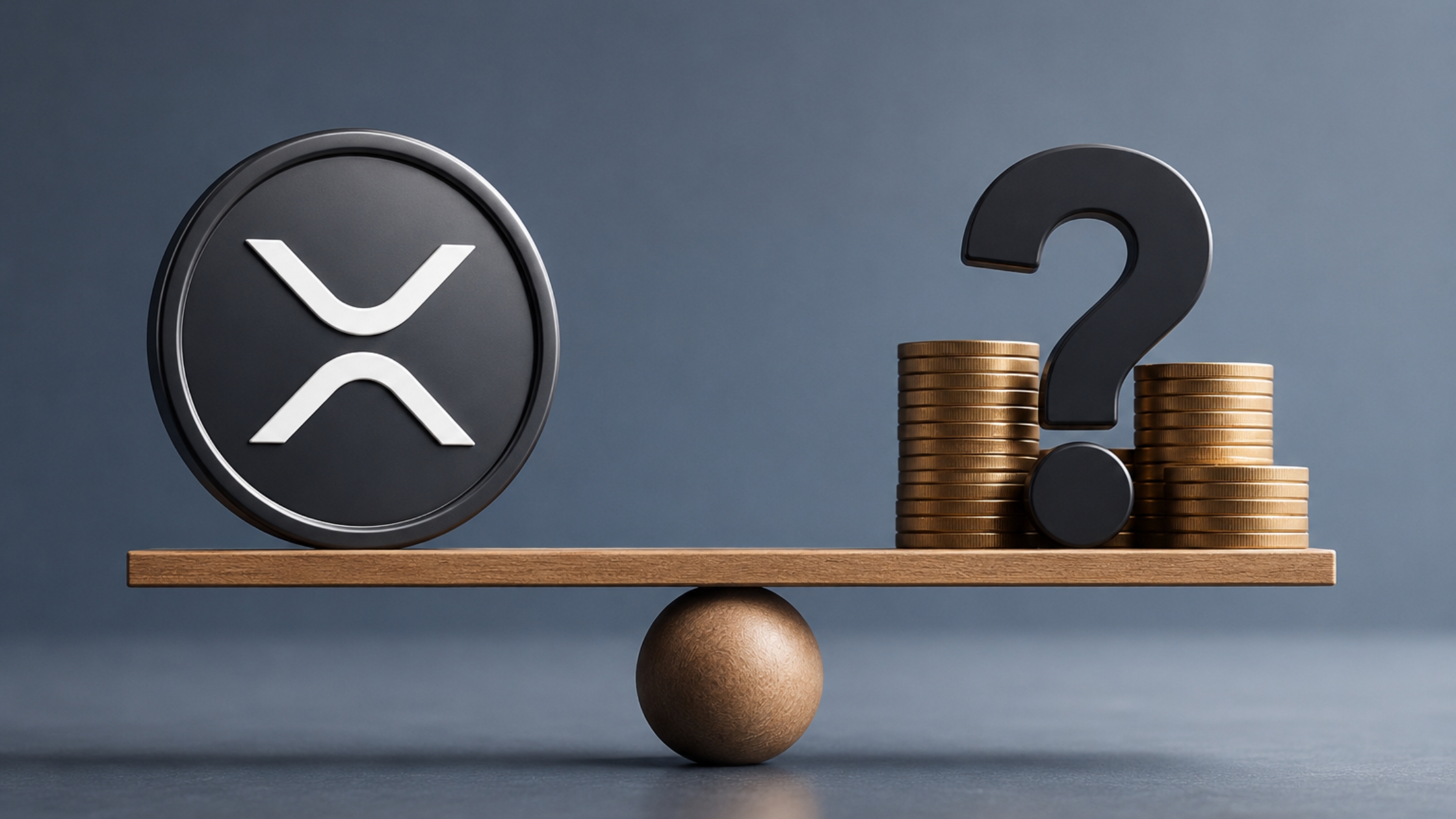
XRP currently trades near $1.15, giving it a market capitalization of roughly $72 billion. The price sits considerably below recent highs, but a cheaper token is not automatically undervalued. Investors must examine supply, demand, network utility, and how XRP Ledger activity connects to the token’s market value.
Supporters believe XRP can grow because the XRP Ledger is adding institutional products, tokenized assets, payment services, and technical capabilities. Critics argue that XRP’s tokenomics provide a weak mechanism for converting greater network usage into higher prices. Both perspectives matter when assessing whether a crypto asset is fairly valued.
The Tokenomics Challenge
Every XRP Ledger transaction destroys XRP. The standard fee is 0.00001 XRP, although fees may rise during demand. Burning reduces supply, but the effect remains small compared to XRP’s availability.
More than 14 million XRP have been burned since launch. However, about 62 billion tokens circulate, while supply is capped at 100 billion. Therefore, burning has removed only a tiny share of the total supply.
Higher activity does not automatically create scarcity. Even when the network processes millions of transactions daily, fees destroy few tokens. Bears argue that ledger usage may still not justify a higher crypto valuation.
Network Utility Strengthens the Bullish Case
The bearish argument does not capture all sources of possible demand. Ripple and independent developers continue to expand the XRP Ledger’s capabilities for payments, decentralized trading, stablecoins, tokenized financial products, and institutional settlement.
RWA.xyz recently recorded hundreds of millions of dollars in distributed real-world assets on XRPL. Aviva Investors has also announced plans to work with Ripple on tokenizing traditional fund structures. Societe Generale’s digital-assets division expanded its euro stablecoin to the ledger, further supporting the network’s institutional profile.
These developments do not guarantee XRP price appreciation. Tokenized assets can operate on XRPL without creating proportional buying pressure for XRP beyond transaction costs and reserve requirements. Still, sustained adoption could improve confidence, deepen liquidity, attract developers, and strengthen XRP’s position within the crypto market.
ETF Demand Provides Another Factor
Spot XRP exchange-traded funds have reportedly attracted more than $1.4 billion in cumulative net inflows since launching in late 2025. Unlike transaction-fee burning, ETF purchases may create direct market demand because fund providers must acquire and hold XRP to support their products.
However, ETF inflows can reverse, and institutional interest may weaken during unfavorable market conditions. Investors should avoid assuming that early demand will continue indefinitely. They should monitor fund flows, trading volume, custody arrangements, regulatory developments, and broader crypto sentiment.

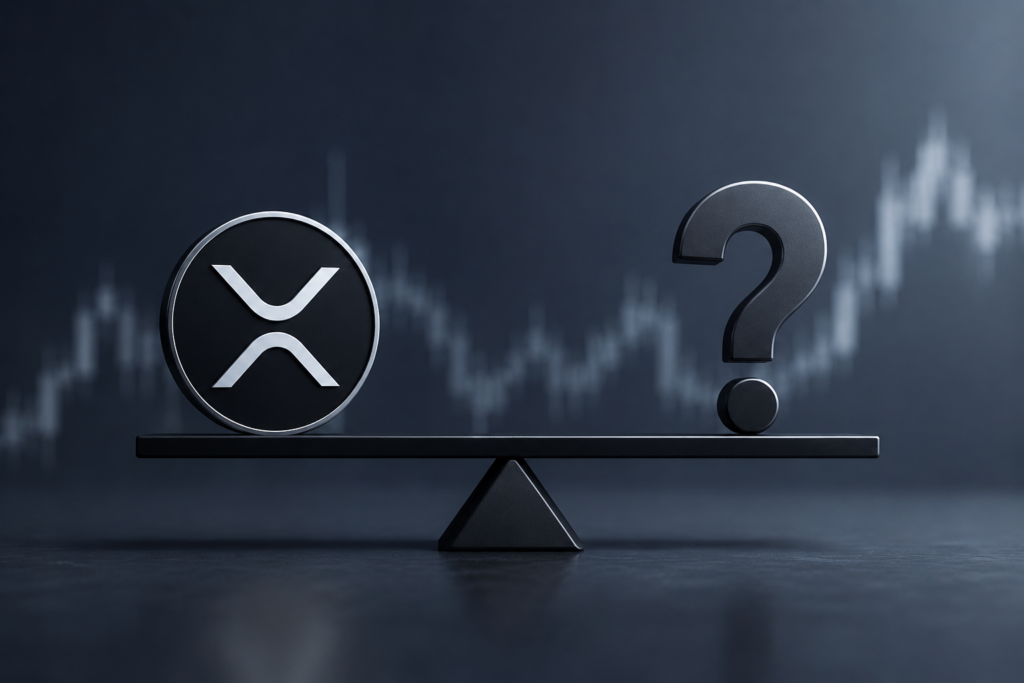
Is XRP Overvalued?
XRP’s valuation depends more on expectations about future adoption than on current token burning. Its large circulating supply and low destruction rate weaken arguments based purely on scarcity. Additionally, network growth does not always translate directly to token holders.
On the other hand, institutional partnerships, tokenized assets, technical upgrades, and ETF demand provide credible reasons for optimism. XRP may appear slightly expensive when measured against its limited value-accrual mechanisms, yet calling it severely overvalued ignores meaningful development across XRPL.
Conclusion
XRP is neither obviously cheap nor unquestionably overpriced. Its current valuation reflects confidence that the ledger will gain users, assets, and financial applications. Investors should compare that growth with the supply dynamics and actual demand for XRP. A cautious assessment suggests the crypto token may be somewhat overvalued today, but stronger adoption could eventually justify its price. Anyone considering XRP should research independently, understand volatility, and invest only according to their personal risk tolerance within the wider crypto market.