Cryptocurrency has revolutionized the financial world, and many newcomers often ask, What are altcoins? In simple terms, altcoins are all cryptocurrencies other than Bitcoin, and as Bitcoin led the charge in creating a decentralized digital currency, altcoins have emerged to improve on Bitcoin’s limitations and offer new functionalities. This guide explains what altcoins are, their importance, types, investment tips, and more.
Understanding What Altcoins Are
To fully grasp what altcoins are, we must start with their definition. Altcoins, short for alternative coins, refer to all digital currencies launched after Bitcoin. They aim to provide enhanced features, different use cases, or solve specific problems that Bitcoin cannot efficiently address.
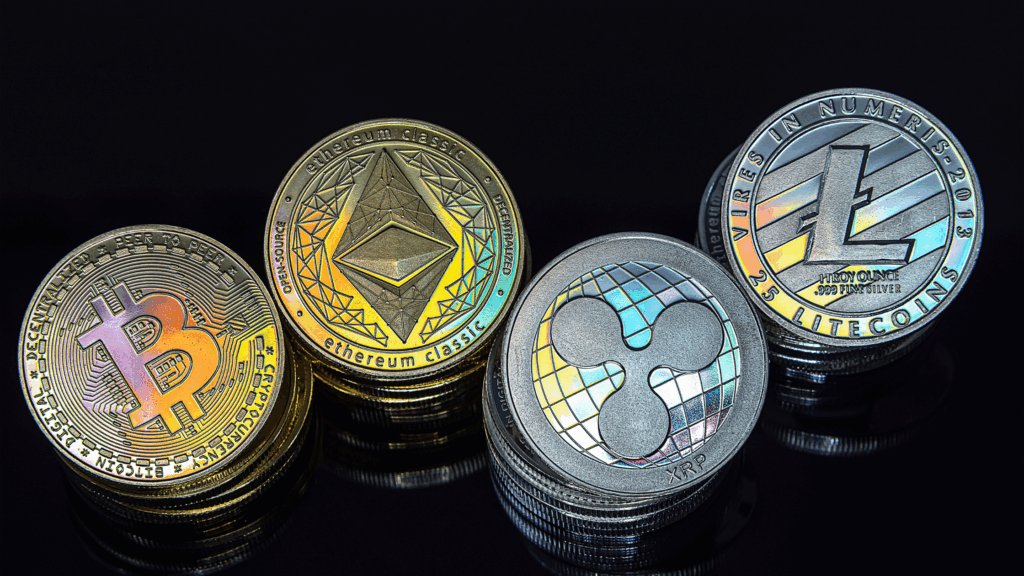
For instance, Ethereum, one of the most famous altcoins, introduced smart contracts—self-executing agreements that automate complex processes. Meanwhile, other altcoins like Ripple (XRP) focus on fast and low-cost international payments.
Therefore, altcoins expand the blockchain ecosystem, offering more than just a medium of exchange. They power decentralized applications (dApps), privacy-focused transactions, and even tokenized assets. With thousands of altcoins available today, each brings something unique to the table.
Why Are Altcoins Important in the Crypto Space?
Knowing what altcoins are helps highlight their role in driving the cryptocurrency industry forward. First, altcoins promote technological innovation. By experimenting with new consensus algorithms, scalability solutions, and privacy features, altcoins keep blockchain development dynamic.
Second, altcoins increase user choice. Not everyone wants to use Bitcoin due to its slower transaction times and higher fees. Altcoins offer alternatives that may better suit different user needs or business applications. For example, some altcoins focus on privacy, while others emphasize speed or scalability.
Thirdly, altcoins foster a competitive market environment. This competition encourages continuous improvements in security, speed, and functionality, benefiting the entire crypto ecosystem.
Moreover, altcoins help bring blockchain technology to more industries beyond finance, including gaming, supply chain management, healthcare, and more. This diversification accelerates mainstream adoption.
Different Types of Altcoins and Their Purposes
When exploring altcoins, understanding the various categories helps clarify their diversity. These types include:
1. Payment Coins
These altcoins primarily serve as digital currencies for peer-to-peer transactions. Examples include Litecoin and Dash, which offer faster and cheaper payments than Bitcoin. They focus on improving transaction speed and lowering fees, which makes them practical for everyday purchases.
2. Stablecoins
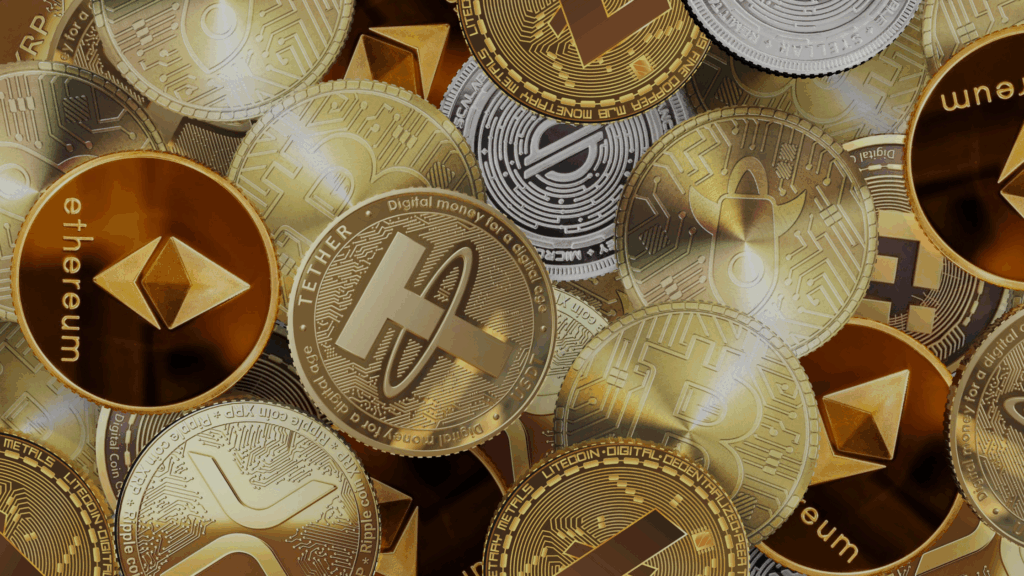
Stablecoins like Tether (USDT) and USD Coin (USDC) are pegged to fiat currencies such as the US dollar, and they reduce volatility, making them suitable for everyday transactions. Businesses and traders often use stablecoins for remittances and to hedge against market swings. Read more here.
3. Utility Tokens
Utility tokens grant access to services within a blockchain platform. Binance Coin (BNB) is a prime example, used to pay fees and participate in token sales on the Binance exchange. Other utility tokens power decentralized applications, enabling users to interact with the platform’s services.
4. Security Tokens
Security tokens signify ownership of assets like stocks or real estate and adhere to regulatory standards. They combine blockchain’s efficiency with legal protections, and by digitizing ownership, these tokens are revolutionizing how traditional assets are bought, sold, and managed.
5. Privacy Coins
Privacy-focused altcoins like Monero and Zcash provide enhanced anonymity by obscuring transaction details, appealing to users who value confidentiality. They employ advanced cryptographic techniques to ensure transactions cannot be traced, supporting privacy rights in the digital age.
How to Invest in Altcoins Safely
Understanding what altcoins are includes knowing the right approach to investing. Here are some essential tips:
- Conduct Thorough Research: Investigate the altcoin’s technology, development team, use cases, and roadmap. Strong fundamentals often correlate with long-term success. Look for active development and a vibrant community.
- Diversify Your Portfolio: Don’t put all your funds into a single altcoin. Spreading investments helps mitigate risks and increases the chances of benefiting from various market trends.
- Use Reputable Platforms: Buy and store altcoins through trusted exchanges and secure wallets to avoid scams and hacks. Always enable two-factor authentication and follow best security practices.
- Stay Updated: Cryptocurrency regulations and market trends evolve rapidly, and staying informed helps you make timely and informed decisions, avoiding unexpected losses.
- Be Prepared for Volatility: Altcoins can experience sharp price fluctuations. Only invest what you can afford to lose and consider long-term potential rather than short-term gains.
The Future of Altcoins
The question of what altcoins are also leads us to consider their future impact. As blockchain technology matures, altcoins will likely continue to innovate in areas such as decentralized finance (DeFi), non-fungible tokens (NFTs), and cross-chain interoperability.
DeFi, powered largely by altcoins, is revolutionizing traditional finance by enabling lending, borrowing, and trading without intermediaries. NFTs are creating new markets for digital art and collectibles, while cross-chain technologies aim to connect different blockchains seamlessly.
Moreover, governments and institutions may integrate altcoins or their underlying technologies into mainstream finance, increasing adoption. Regulatory clarity will further shape how altcoins develop and integrate with existing systems.
Ultimately, altcoins represent a vibrant and essential part of the digital currency landscape, continuously shaping the future of money and technology. You can also read more about it here.
Conclusion
In summary, altcoins are alternative cryptocurrencies to Bitcoin that introduce new features, improve transaction efficiency, and expand blockchain applications. Altcoins provide choices for users and investors alike, pushing the boundaries of what digital currency can achieve. For expert insights and tailored crypto services, visit Crypto Green Force.
Frequently Asked Questions (FAQs)
1. Are all altcoins better than Bitcoin?
Not necessarily, as some altcoins offer improvements, Bitcoin remains the most secure and widely adopted cryptocurrency.
2. Can altcoins replace Bitcoin in the future?
It’s uncertain, but altcoins complement Bitcoin by offering diverse functionalities rather than outright replacements.
3. How to invest in the right altcoin?
Look for strong project fundamentals, active development teams, clear use cases, and community support.
4. What risks should I consider with altcoin investments?