

The rise of cryptocurrencies has opened up new possibilities for financial systems around the world. Among these digital assets, XRP has gained a lot of attention because of its special role in enabling fast and affordable cross-border payments. However, a common question many people ask is: Is XRP a stablecoin? To answer this, we need to explore what XRP is, what stablecoins are, and how they differ in the wider cryptocurrency world.

Understanding XRP: Ripple’s Digital Asset
XRP is the native cryptocurrency of the XRP Ledger, a decentralized blockchain developed by Ripple Labs. Unlike Bitcoin or Ethereum, XRP was pre-mined with a total supply of 100 billion tokens, raising some concerns about centralization. The main purpose of XRP is to enable fast and cost-effective cross-border payments between financial institutions. The XRP Ledger uses a consensus protocol that doesn’t require mining, reducing energy consumption and allowing for quicker transactions.
XRP has been adopted by many financial institutions because it provides a solution for liquidity and cost-efficient cross-border transactions. As a bridge currency, XRP helps facilitate the exchange between different fiat currencies, eliminating the need for traditional intermediaries, which results in faster and more affordable transfers.
What is a Stablecoin?
Stablecoins are a type of cryptocurrency designed to maintain a consistent value over time. They are typically pegged to a reserve asset, such as a fiat currency or a commodity, to shield their value from the volatility commonly seen in cryptocurrencies like Bitcoin and Ethereum. There are three main types of stablecoins, which are:
- Fiat-Collateralized Stablecoins
These stablecoins are backed 1:1 by fiat currency (like USD) held in reserve. Each stablecoin issued is backed by an equal amount of fiat currency held in reserve. This keeps their value stable and closely tied to the fiat currency. Examples include Tether (USDT) and USD Coin (USDC).
- Crypto-Collateralized Stablecoins
These stablecoins are backed by other cryptocurrencies, usually over-collateralized to account for price changes. This ensures that even with volatility in the collateral, the stablecoin remains stable. DAI is a well-known example of this type.
- Algorithmic Stablecoins
Unlike the others, algorithmic stablecoins aren’t backed by any assets. Instead, they use algorithms to control supply and demand, maintaining a stable price. TerraUSD (UST) is an example of an algorithmic stablecoin.
Stablecoins are commonly used for storing value, trading, and making transactions, particularly in situations where price volatility is a concern.
Is XRP a Stablecoin?
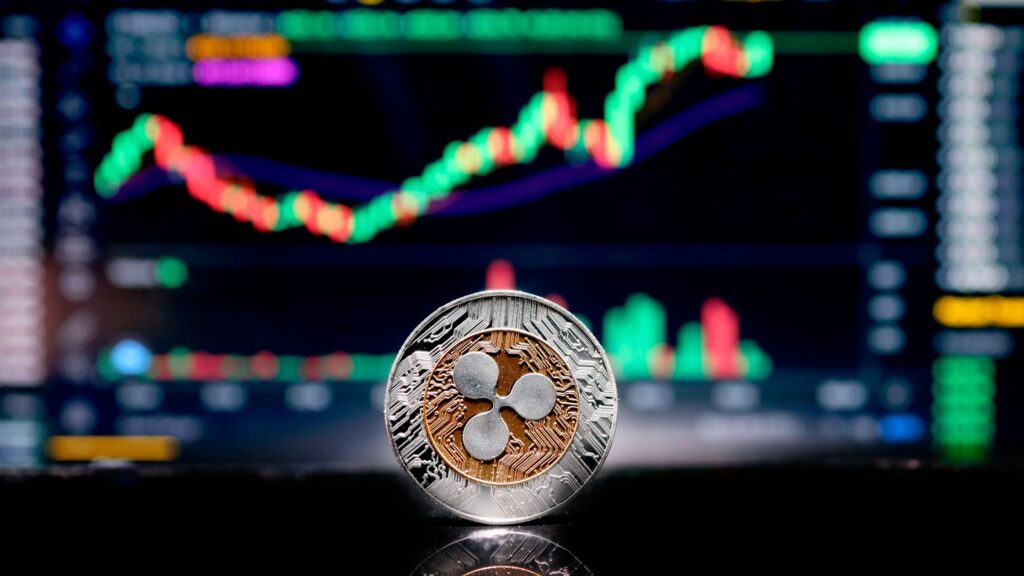
Despite its widespread use and popularity in financial applications, XRP is not a stablecoin. Like Bitcoin and Ethereum, XRP is a volatile cryptocurrency whose value fluctuates based on market conditions. Its primary purpose is to facilitate cross-border payments, and its price is influenced by market demand, just like other cryptocurrencies.
While stablecoins are designed to maintain a steady value, XRP’s price can change quickly. For instance, XRP has seen both significant price increases and declines in the past, which makes it unsuitable for users seeking a stable store of value or a reliable medium of exchange.
XRP serves a different role in the financial ecosystem. It provides liquidity and enables faster payments across global financial networks. Its volatility is a natural characteristic of cryptocurrencies that aren’t backed by a reserve asset.
Ripple’s RLUSD: A Native Stablecoin
Ripple Labs has introduced RLUSD, a stablecoin aimed at enhancing the XRP ecosystem. Here’s an overview of its key features and benefits:
- RLUSD Introduction: Ripple Labs launched RLUSD, a stablecoin pegged 1:1 to the US Dollar, complementing XRP in its ecosystem.
- Stable Value: Unlike XRP, RLUSD is designed to maintain a stable value tied to the US Dollar.
- Ripple’s Strategy: RLUSD enhances Ripple’s offering to financial institutions, facilitating cross-border payments alongside XRP.
- XRP Ledger: The launch of RLUSD improves the XRP Ledger’s capabilities, supporting both stable and volatile digital assets.
- Dual Benefits: RLUSD provides stability for transactions, while XRP offers liquidity and fast cross-border transfers.
XRP’s Role in the Crypto Ecosystem
XRP is mainly used as a bridge currency for cross-border payments, providing several advantages that other cryptocurrencies may not offer:
I. Liquidity Provider
XRP allows financial institutions to access liquidity on demand, removing the need to maintain expensive and inefficient pre-funded nostro accounts. This feature helps banks and financial institutions optimize their operations, reducing capital requirements and improving overall efficiency.
II. Cross-Border Payments
XRP facilitates fast, low-cost cross-border transactions between different fiat currencies. This is particularly beneficial for banks, payment processors, and remittance services, enabling them to streamline their global operations and reduce the high fees and delays often associated with international money transfers.
III. Decentralization
Despite criticism regarding XRP’s pre-mined nature, the XRP Ledger is decentralized, ensuring secure and transparent transactions. Unlike traditional financial systems, which rely on central authorities, the XRP Ledger offers increased efficiency, lower operational costs, and greater transparency in the transfer of assets.
IV. Transaction Speed
XRP transactions are processed in just a few seconds, far faster than the lengthy processing times in traditional banking systems or other cryptocurrencies like Bitcoin. This makes XRP an ideal solution for fast and efficient cross-border payments, catering to users who require rapid transactions.
While XRP is not a stablecoin, its primary function remains essential to the global financial ecosystem. It provides a unique blend of speed, security, and cost-effectiveness for institutions and individuals involved in cross-border transactions.

Conclusion
In conclusion, XRP is not a stablecoin, as its value fluctuates with market conditions, similar to other cryptocurrencies. While stablecoins are designed to maintain a consistent value, XRP serves a different purpose: facilitating fast and cost-effective cross-border payments for financial institutions.
Ripple Labs has launched RLUSD, a stablecoin pegged to the US Dollar, to complement XRP within the Ripple ecosystem. Together, XRP and RLUSD offer a versatile and efficient solution for both stable and volatile digital transactions.
To learn more about XRP and its role in the global financial landscape, visit Crypto Green Force for the latest insights and updates on cryptocurrencies.