
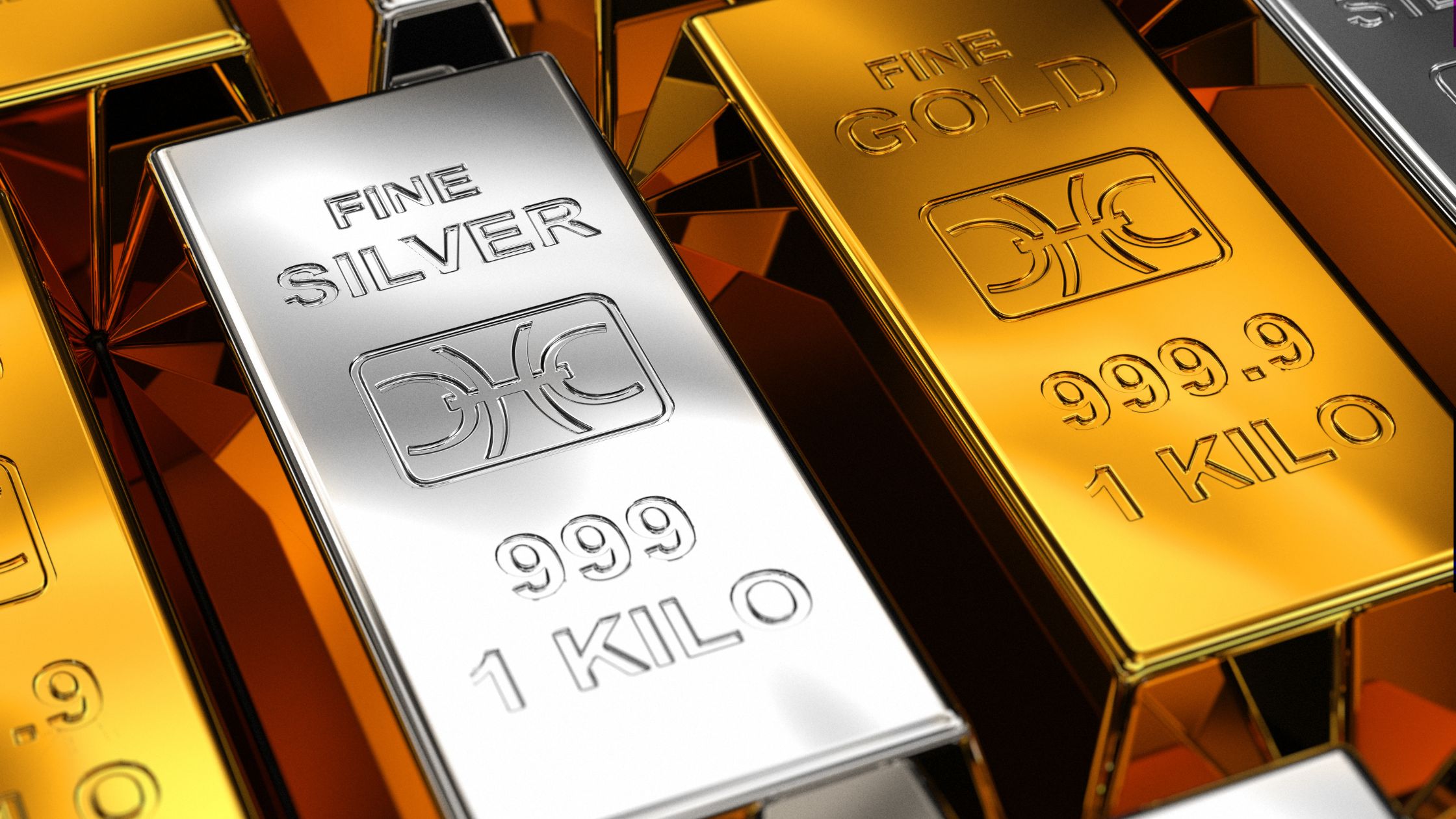
Gold, silver, and bitcoin all moved sharply lower after the latest Federal Reserve decision, surprising many investors. Usually, gold benefits when global tensions rise. However, this time the market reacted differently. Even with conflict in the Middle East, investors pulled money out of metals and digital assets instead of rushing in.
Gold dropped heavily on Thursday and briefly fell to around $4,500 per ounce. Silver also suffered a deep loss, while copper moved lower as well. Bitcoin, which many people call digital gold, also slipped below the $70,000 level. This broad decline shows that investors are now more focused on inflation, interest rates, and liquidity than on traditional safe-haven demand.
Why Gold Fell Instead of Rising
Gold often performs well during geopolitical stress. When fear spreads, investors usually look for assets that can preserve value. Still, the current market environment is different because inflation concerns have become stronger.
Oil prices have been rising, and that has increased worries about inflation staying high for longer. When inflation remains elevated, central banks may keep interest rates high instead of cutting them. This matters because higher rates usually push bond yields higher. As yields rise, assets like gold become less attractive since they do not produce income.
This pressure has changed how investors view gold. Rather than buying it for safety, many traders are selling it because the broader macro environment is working against it.
A Stronger Dollar Adds More Pressure
Another major reason for the sell-off is the stronger US dollar. Over the past month, the dollar has gained strength, and that creates another challenge for gold and other commodities. Since gold is priced in dollars, a stronger dollar often makes it more expensive for foreign buyers. As a result, demand can weaken.
This combination of higher yields and a stronger dollar has created a difficult setup for precious metals. Even though geopolitical risk would normally support gold, these other market forces have had a stronger effect.
Since the Middle East conflict began on February 28, gold has already fallen significantly. That decline shows how much traders are reacting to macroeconomic conditions rather than following the usual safe-haven pattern.
Silver and Copper Also Came Under Pressure
Silver dropped even more sharply than gold. That is not unusual because silver often acts like a more volatile version of gold. It can rise faster during rallies, but it can also fall harder during corrections.
Silver also has an industrial side, which means it is affected by concerns about economic growth. If investors believe higher energy prices will slow the global economy, silver can face added selling pressure. Copper was also hit because it is closely linked to industrial demand and economic activity.
In simple terms, the market is worried that rising energy costs could hurt growth while also keeping inflation high. That kind of environment creates pressure across many asset classes.
Bitcoin Could Not Escape the Sell-Off
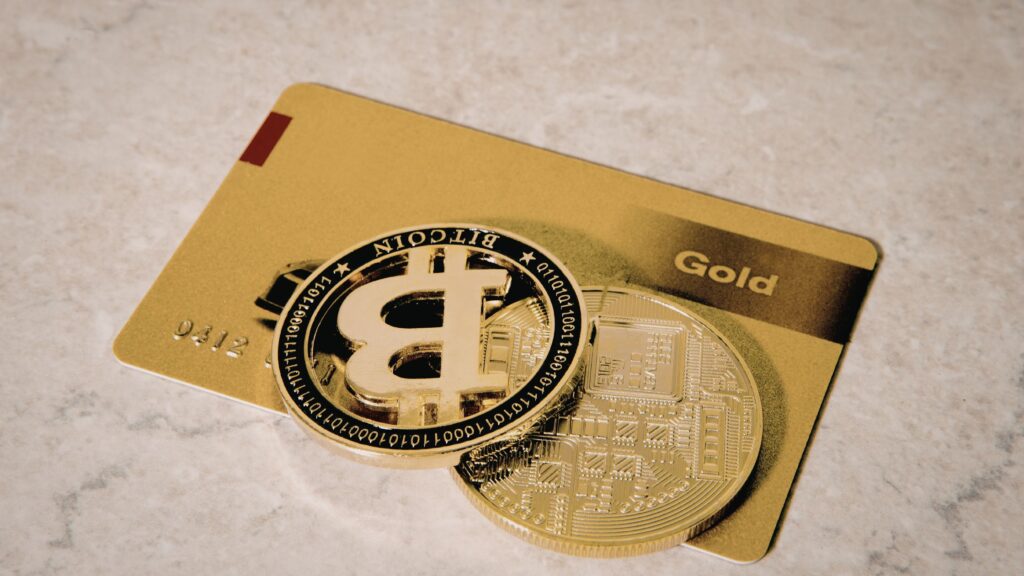
Bitcoin also moved lower after showing some resilience earlier. It fell after touching a recent high earlier in the week. Ether followed the same path and also declined.
This move reminds investors that bitcoin still trades like a risk-sensitive asset in many situations. Although some people view it as a hedge or digital store of value, it often reacts like a high-volatility asset when liquidity conditions tighten.
When the market becomes worried about rates staying higher for longer, investors tend to reduce exposure to speculative positions. That often includes crypto.
What Investors Should Watch Next
The recent Gold silver bitcoin crash does not mean these assets have lost all long-term value. However, it does show that market conditions matter. Right now, inflation fears, rising yields, and a stronger dollar are more powerful than traditional safe-haven demand.
Investors should now watch several key factors. These include oil prices, inflation data, bond yields, and any signals from the Federal Reserve about future rate cuts. If yields remain high and the dollar stays strong, pressure on gold, silver, and bitcoin could continue.
For now, the market is clearly sending one message: macro forces are in control, and even classic safe-haven assets are not immune when liquidity becomes the top concern.