

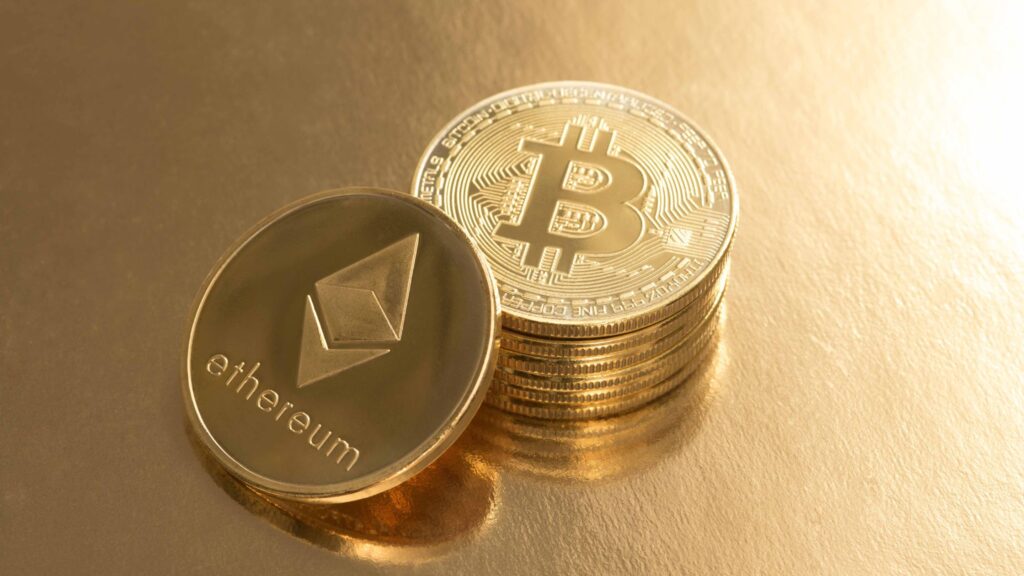
Growing talk of a military conflict between the United States and Iran has unsettled financial markets — and it’s hitting cryptocurrencies hard. Analysts warn that if war breaks out, digital assets like Bitcoin and Ethereum could face significant downside pressure, extending an already rough period for crypto investors.
Recent military actions and geopolitical tension have already influenced crypto prices. Bitcoin fell sharply as news of a joint US-Israel strike on Iran emerged, testing key support levels and spreading fear among traders.

Cryptos Are Not Acting as Safe Havens
Bitcoin was once promoted by some as a “safe haven” similar to gold — a store of value investors could turn to during crises. But recent market behavior shows this idea may be fading. Instead of rising when danger rises, Bitcoin and other cryptocurrencies have been moving more like risk assets. When geopolitical tension spikes, traders tend to reduce positions in volatile markets such as crypto rather than move into them.
This pattern became clear this year. Despite weeks of heightened tension, Bitcoin and Ethereum haven’t rallied the way traditional safe-haven assets like gold often do. In fact, cryptocurrencies have been under sustained selling pressure, extending losses from earlier market stress.
Why Crypto Fell in Past Conflicts
Historical reactions demonstrate this shift. During past spikes in Middle Eastern tension — like the June 2025 conflict involving Israel, Iran, and later the United States — Bitcoin fell sharply shortly after strikes occurred. Prices dipped below key levels as fear gripped markets, before stabilizing once the immediate threat eased.
At that time, Bitcoin was trading well above previous highs, but the sell-offs showed how easily risk assets can crumble under geopolitical stress. Now, even as Bitcoin hovers around lower levels than a year ago, similar patterns are emerging.
Market Context Matters
Crypto markets today are not starting from a neutral position. After a series of heavy liquidations and extended weakness, Bitcoin and Ethereum entered this geopolitical storm already in a bearish trend. Market analysts say that ongoing geopolitical strain could worsen selling pressure because investors feel increasingly uncertain and nervous.
Markets react to fear. When traders expect trouble, they often prefer safer assets like government bonds and gold. That risk-off behavior tends to hurt cryptocurrencies, which are still seen as speculative investments. A major conflict in the Middle East could accelerate this trend.
Forecasts: How Low Could Prices Go?
Experts have offered a range of possible downside scenarios if conflict escalates:
- Some analysts see Bitcoin breaking critical support levels — like the psychological $60,000 zone — if selling intensifies. A breach could open the door for deeper declines.
- In extreme cases, bearish momentum might push Bitcoin significantly lower, depending on how investors react. The general consensus among those focusing on risk sentiment is that a major war could fuel extended weakness.
Ethereum, which tends to follow Bitcoin’s trend, could also see heavier losses due to reduced appetite for risk. Altcoins typically follow Bitcoin’s lead, so broader crypto market declines would likely continue in a high-fear environment.
What Could Limit the Downside?
Not all reactions must be negative. Some experts point out that if Bitcoin and Ethereum fail to drop significantly despite intense geopolitical stress, that could be interpreted as a sign of resilience. Finding solid support amid heightened fear could encourage longer-term holders to step in.
However, in the immediate term, bearish pressure and risk aversion are likely to dominate. Markets typically react first and ask questions later — meaning sentiment could remain weak until clear developments emerge in the geopolitical landscape.
Final Thoughts: Prepare for Volatility
A potential US-Iran conflict — or even the perception of imminent war — is already affecting trader behavior. Cryptocurrencies are showing sensitivity to geopolitical risk, contradicting the narrative that they always act independently of traditional markets.
In short, if conflict escalates, Bitcoin and Ethereum prices could continue trending lower. Investors should be prepared for volatility, watch key support levels closely, and consider how risk sentiment — rather than fundamentals — might dominate price action in the near term.