If you have $4,000 saved after covering expenses and building an emergency fund, you may wonder how to grow it over the next decade. Leaving that money idle in a savings account may protect it, but inflation slowly reduces purchasing power.
Therefore, many investors consider long-term crypto investments. Two strong candidates are XRP and Solana. Both projects are well-known in the digital asset space. However, the better cryptocurrency to buy with $4,000 depends on long-term adoption, regulatory positioning, and network growth. Let’s compare XRP vs Solana from a 10-year investment perspective.
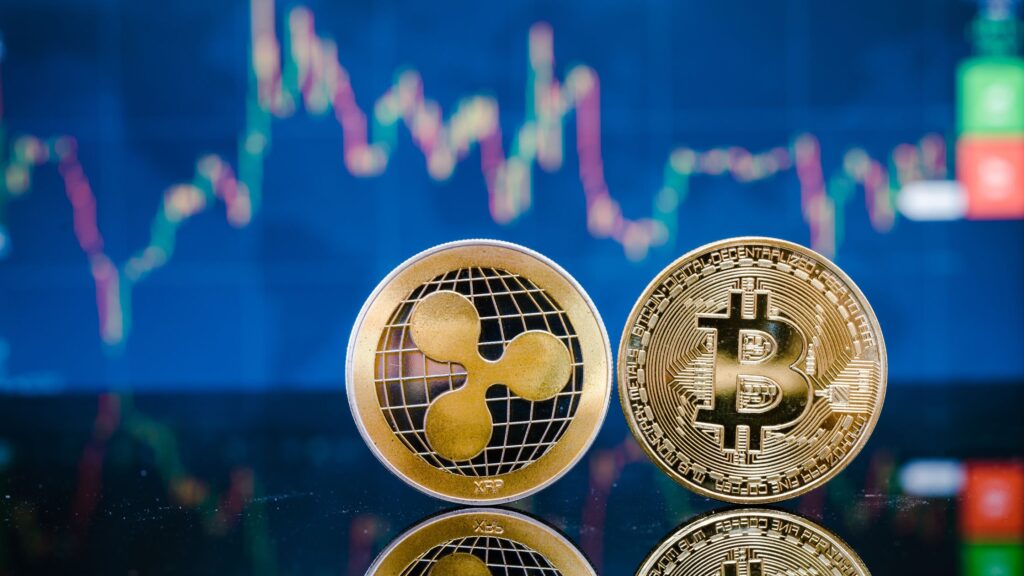
XRP: Positioned for Institutional Adoption
XRP focuses on serving financial institutions. Its long-term success depends on adoption for payments and tokenized real-world assets.
Tokenization converts assets such as stocks, bonds, and commodities into blockchain-based tokens. This process allows faster settlement and improved transparency. Industry estimates suggest that tokenized assets could reach trillions of dollars in value by the end of the decade.
Currently, the XRP Ledger (XRPL) hosts hundreds of millions of dollars in tokenized assets. While that figure remains relatively small compared to global markets, Ripple continues developing compliance-focused tools.
For example, the XRPL integrates identity verification and regulatory-friendly features. These tools help financial institutions meet legal requirements. As a result, XRP positions itself as a blockchain designed for regulated environments.
Over the next decade, early institutional adoption could strengthen XRP’s value proposition. If banks and asset managers expand tokenized products on XRPL, demand for XRP may grow steadily. Therefore, XRP may appeal to conservative investors seeking regulatory alignment and structured growth.
Solana: Speed, Scale, and Ecosystem Momentum
When comparing XRP vs Solana, Solana stands out for performance. Solana operates as a high-speed, low-cost smart contract platform. It supports decentralized applications, digital trading platforms, gaming, and tokenized assets. Its design prioritizes throughput and efficiency.
Today, Solana hosts a larger pool of tokenized assets compared to XRP. It also processes millions of transactions daily and supports millions of active wallet addresses.
Importantly, network usage drives token demand. Users must hold SOL tokens to pay transaction fees and interact with applications. Therefore, ecosystem growth directly supports long-term demand. Moreover, Solana’s developer ecosystem continues expanding. As more applications launch, network activity increases. Consequently, capital tends to remain within the ecosystem. However, Solana faces execution and regulatory risks.
Although third-party compliance tools exist, Solana’s protocol-level regulatory infrastructure is less emphasized than XRP’s. If regulations tighten around tokenized securities, the network may need adjustments. Still, Solana’s speed and cost advantages give it strong competitive positioning.
Supply, Demand, and Long-Term Growth Drivers
Supply dynamics also influence long-term investment outcomes. XRP has a defined maximum supply. This structure provides predictability. If demand rises, supply constraints may support price appreciation.
Meanwhile, Solana’s economics tie closely to network activity. As more users transact, demand for SOL increases. Therefore, growth depends heavily on adoption. Both cryptocurrencies operate in competitive markets. Ethereum and other blockchains continue to innovate. Consequently, long-term success depends on continuous development and user retention. Investors must consider whether they prefer regulatory clarity or aggressive ecosystem expansion.
XRP vs Solana: Which Is the Better $4,000 Investment?
The answer depends on your risk tolerance. If you prefer a conservative, compliance-focused approach, XRP may be the better cryptocurrency to buy with $4,000 and hold for a decade. Its regulatory positioning could support institutional growth. On the other hand, if you are comfortable with higher uncertainty and seek faster ecosystem expansion, Solana may offer stronger upside potential. Both assets remain volatile. Therefore, long-term conviction and patience are essential.
Final Thoughts
Choosing between XRP vs Solana for a 10-year hold requires careful evaluation. XRP emphasizes regulatory readiness and institutional adoption. Solana emphasizes speed, scalability, and ecosystem growth. Ultimately, the better cryptocurrency to buy with $4,000 depends on your investment style and risk profile. As always, conduct independent research and ensure your portfolio aligns with your long-term financial goals.