
The crypto market is witnessing a significant transformation as Solidus AI Tech ($AITECH) rebrands to AITECH Cloud Network ($ACN). The move comes with a token swap, and strong backing from Binance is playing a crucial role in maintaining investor confidence. While short-term volatility remains a concern, the support from a leading exchange is helping the project navigate potential risks.

AITECH Rebrands to ACN
The transition from AITECH to ACN reflects a strategic shift toward becoming a full-scale AI infrastructure provider. The new identity focuses on advanced cloud solutions powered by artificial intelligence.
To ensure a smooth transition, existing AITECH tokens are being converted into ACN at a 1:1 ratio. This allows users to move into the updated ecosystem without losing value or handling complex technical steps.
Additionally, the project is migrating to Ethereum, improving compatibility with decentralized applications and broader usability.
Binance Leads the Migration Effort
Among all exchanges supporting the rebrand, Binance stands out as the most influential. Its involvement ensures high liquidity, which is essential during token swaps.
The exchange has structured the migration carefully:
- Trading was paused on April 29, 2026, at 02:00 UTC.
- A 1:1 token swap ratio has been applied.
- Trading is expected to resume later the same day.
By managing the entire process internally, Binance reduces the risk of user errors. Investors do not need to manually swap tokens, as the platform automatically converts AITECH into ACN within user wallets.
This hands-off approach significantly improves the user experience and reduces uncertainty during the transition.
Why Rebranding Matters
Rebranding in crypto is often more than just a name change. In this case, it signals a shift toward real-world utility. The AITECH Cloud Network aims to provide scalable AI infrastructure through its green data center operations in Europe.
Key features of the ACN ecosystem include:
- GPU rental services for high-performance computing.
- AI marketplace offering models and data tools.
- Affordable access to AI resources for businesses.
- Improved interoperability through Ethereum integration.
These developments position ACN as a serious contender in the AI and blockchain convergence space. By focusing on infrastructure, the project moves beyond speculation and into practical use cases.
ACN Price Faces Short-Term Pressure
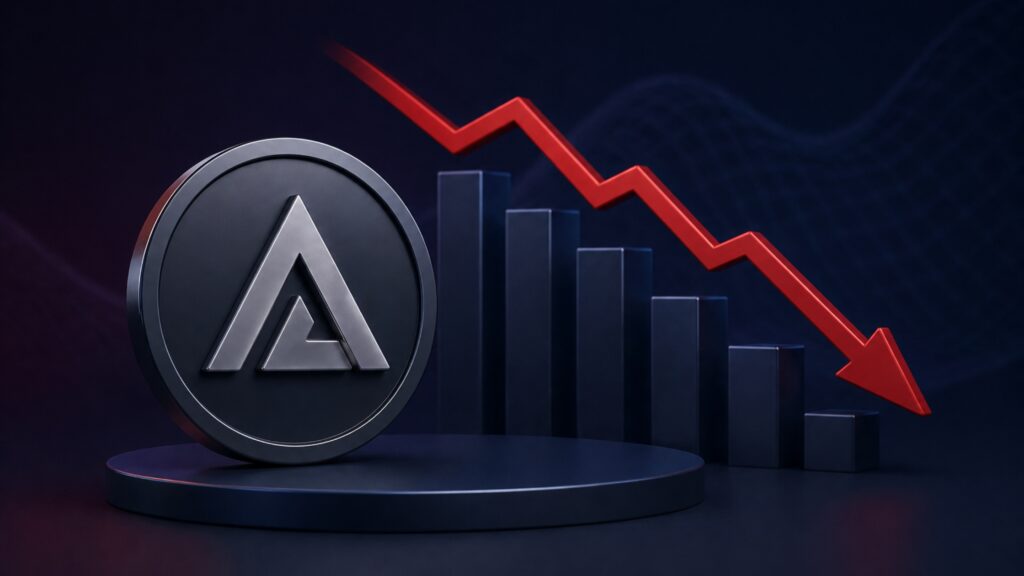
Despite the strong fundamentals, the ACN token has experienced short-term price pressure. Following the swap, the token is trading around $0.008890, reflecting a 13% decline in 24 hours.
However, such volatility is common during rebranding events. Investors often react cautiously, leading to temporary sell-offs. Compared to other token migrations, this decline is relatively stable.
For instance, TrueFi (TRU) saw a much sharper drop during its transition phase, highlighting how uncertainty can impact price performance.
Binance Support Reduces Downside Risk
One of the biggest concerns during token swaps is the risk of liquidity gaps. Without strong exchange backing, projects can face severe price crashes due to low trading volume and panic selling.
Binance’s support helps mitigate this risk. Its deep liquidity pools and global user base ensure consistent trading activity, which stabilizes price movements. Analysts suggest that without such support, ACN could have faced a much steeper decline.
However, risks still remain. External factors such as macroeconomic conditions, including decisions from events like the FOMC meeting, can influence market sentiment. Additionally, large investors (whales) could impact the price if they decide to sell significant holdings.
Conclusion
The AITECH to ACN transition marks an important milestone in the evolution of AI-focused crypto projects. With Binance leading the migration, the process has gained credibility and stability.
Although short-term price fluctuations are expected, the long-term outlook depends on adoption, execution, and market conditions. As the crypto industry matures, projects that combine strong utility with reliable infrastructure support are more likely to succeed.