If you have $4,000 ready to deploy into crypto, you’re probably asking the same question most investors ask during choppy markets: what’s the best cryptocurrency to buy right now—especially if you want more than hype.
Two names keep coming up: Dogecoin (DOGE) and Solana (SOL). Both became household names during the 2021 bull cycle. Since then, both have faced major drawdowns and heavy volatility. Still, long-term investors often view downturns as a testing phase—a time when fundamentals matter more than headlines.
So in the Dogecoin vs Solana debate, which one has the stronger case for future growth?
The Core Difference: Speculation vs Utility
At a high level, DOGE and SOL represent two very different crypto narratives:
- Dogecoin thrives on community, culture, and momentum.
- Solana competes as a high-speed blockchain that powers apps, payments, NFTs, and on-chain activity.
That difference shapes everything: demand drivers, risk profile, and long-term potential.
Dogecoin: Massive Brand Power, But Structural Weaknesses
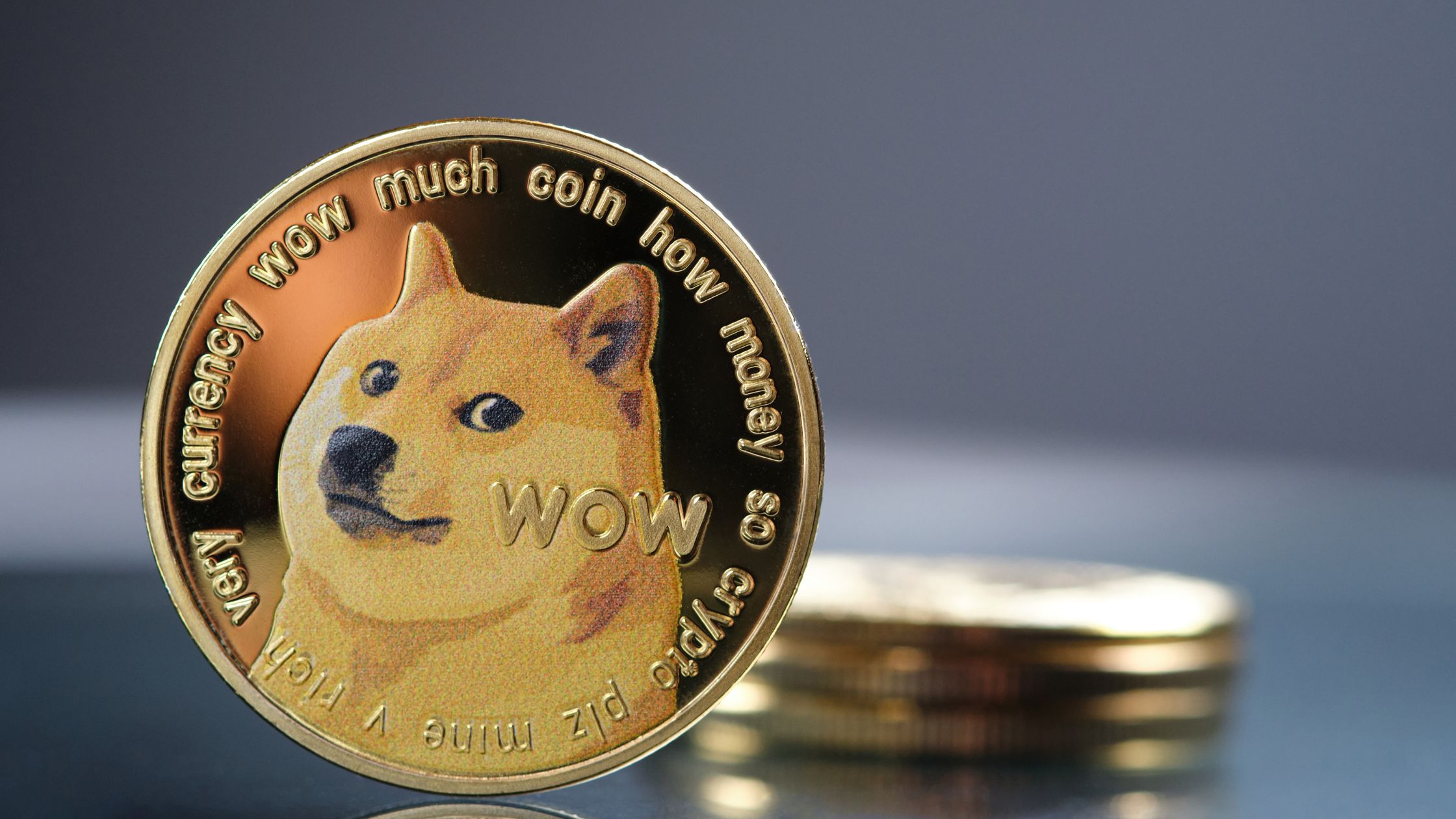
Dogecoin remains one of the most recognizable cryptocurrencies on the planet. It has a loyal community and the ability to trend instantly, which can trigger sudden price spikes. However, hype alone doesn’t build lasting value.
1) Inflationary supply creates constant dilution
Unlike capped-supply assets, Dogecoin adds new coins every year. That means the network increases circulating supply continually, and price growth must repeatedly overcome that expansion. In simple terms: demand must keep rising just to stay ahead of supply.
2) Limited utility compared to modern networks
Dogecoin does not function as a major smart contract hub. It does not host a deep DeFi ecosystem. It also lacks the developer gravity that draws builders, apps, and long-term users. While the project continues to receive maintenance and updates, DOGE’s investment case usually comes back to one thing: social momentum.
3) DOGE performs best in “meme season”
Dogecoin can still outperform during strong bull runs—especially when retail speculation returns. However, if you are allocating $4,000 for long-term fundamentals, DOGE requires a strong belief that culture-based demand will stay dominant for years.
Bottom line: Dogecoin is powerful as a brand and community asset, but its long-term thesis relies heavily on sentiment rather than utility.
Solana: Ecosystem Growth, Real Usage, and Fee-Driven Demand
When comparing Dogecoin vs Solana, Solana’s functional advantage becomes obvious. Solana aims to be a fast, low-cost chain built for real-world applications.
1) SOL demand ties directly to network activity
Users need SOL to pay transaction fees. That creates a clear link between adoption and token demand:
More apps → more users → more transactions → more SOL usage.
2) Solana supports multiple high-growth crypto sectors
Solana positions itself across major categories that drive long-term blockchain adoption:
- decentralized applications (dApps)
- NFTs and gaming
- stablecoin transfers and payments
- tokenized assets and on-chain finance tools
Instead of relying on one narrative, Solana benefits from multiple lanes of growth.
3) Continuous innovation strengthens the network story
Solana continues to push into payments (like Solana Pay), stablecoin utility, and even consumer-grade crypto hardware initiatives. Whether each experiment succeeds or not, the pattern matters: Solana behaves like a living platform, not a static token.
Bottom line: Solana offers a clearer utility-driven thesis—its value increases as its ecosystem grows and usage expands.
Supply Dynamics: Why This Matters for Your $4,000 Decision
Supply structure often decides who wins over long timeframes:
- Dogecoin: ongoing issuance means holders face regular dilution unless demand grows faster than supply.
- Solana: demand grows with on-chain usage, and network expansion can increase real token utility.
This doesn’t guarantee SOL outperforms. It simply means SOL has more measurable demand drivers than DOGE.
Risks You Should Actually Respect
No serious comparison is complete without risk:
Dogecoin risks
- price depends heavily on sentiment cycles
- limited adoption beyond payments and speculation
- inflationary supply can cap long-run upside
Solana risks
- past network outages and congestion concerns
- strong competition from other smart contract platforms
- ecosystem growth must continue to justify valuation
Both assets remain volatile. The difference is that Solana’s risks exist inside a utility framework, while Dogecoin’s risks exist inside a hype framework.
Verdict: Which Looks Better for Long-Term Growth?
If your goal is a fundamentals-driven bet with $4,000, Solana generally presents the stronger long-term narrative: real usage, active development, and adoption-led token demand.
Dogecoin can still surge during high-risk market phases, but it usually performs best as a speculative trade rather than a foundational long-term holding.
A practical approach
If you still like both, many investors treat DOGE as a smaller, high-volatility “satellite” position and SOL as the more thesis-driven core—while keeping position sizes aligned with their risk tolerance.
Final Note for CryptoGreenForce Readers
Crypto can reward patience, but it punishes blind conviction. Focus on utility, adoption, supply mechanics, and developer momentum, not just noise. If you’re evaluating the best cryptocurrency to buy right now with $4,000, Solana often stands out as the more structurally supported option—while Dogecoin remains a high-risk, sentiment-driven wildcard.
Disclaimer: This content is for educational purposes only and is not financial advice.