
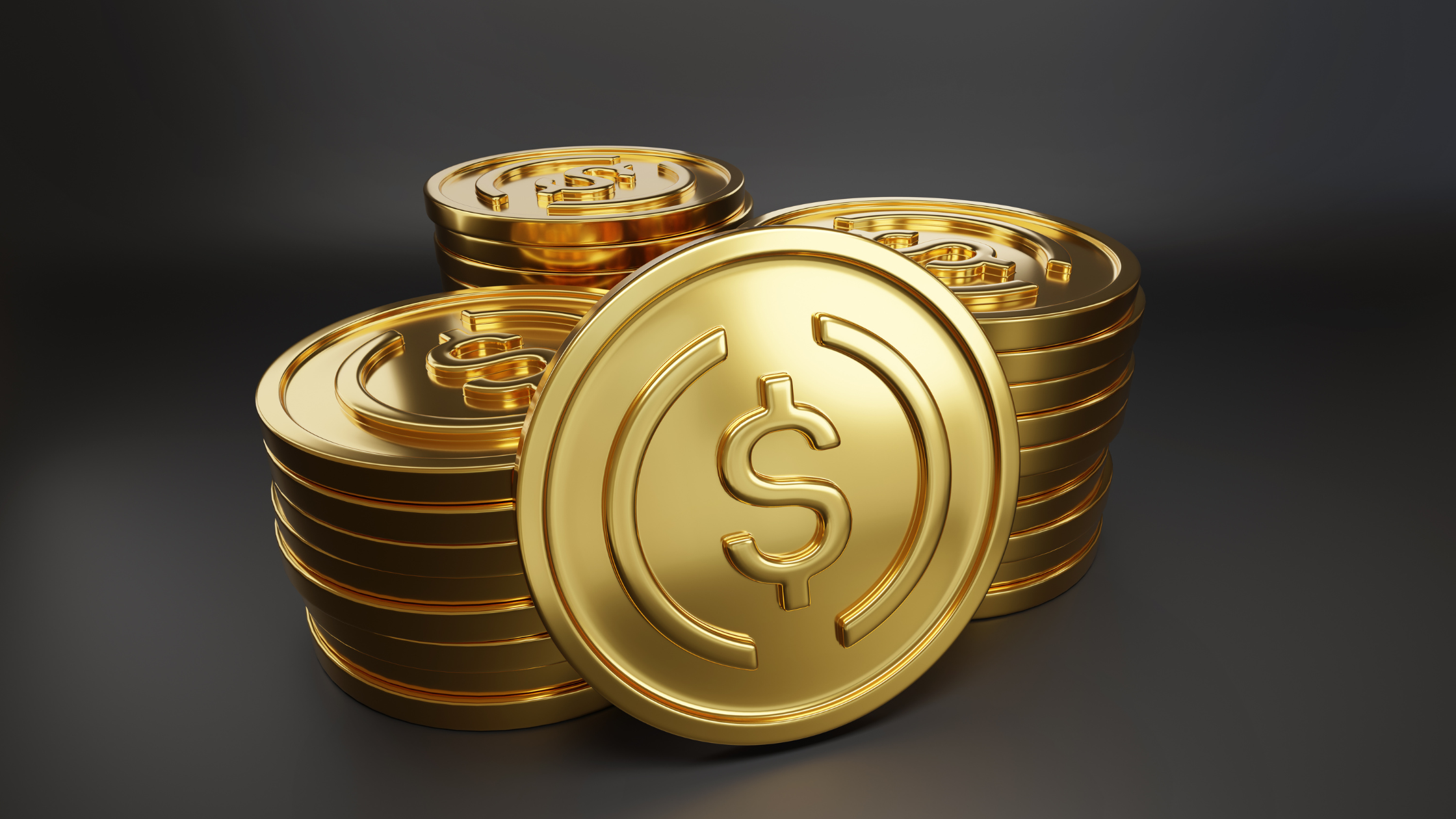
In the world of cryptocurrencies, stablecoins have garnered significant attention due to their potential to offer stability amidst the volatility that often plagues digital currencies. Stablecoins are a class of cryptocurrencies designed to maintain a stable value by being pegged to a reserve of assets such as fiat currency or commodities like gold. For those looking for investment opportunities in the digital asset space, stablecoins as an investment present a unique and compelling proposition. This article explores why investors are increasingly turning to stablecoins and how they can play a vital role in investment strategies.
What Are Stablecoins?
Stablecoins are digital currencies that aim to maintain a consistent value by being linked to a reserve asset, most commonly the U.S. dollar. Unlike more volatile cryptocurrencies like Bitcoin or Ethereum, stablecoins are designed to minimize fluctuations in value, and popular examples include Tether (USDT), USD Coin (USDC), and DAI, each of which is pegged to a fiat currency or a basket of assets.
Stablecoins have gained traction for their ability to bridge the gap between traditional finance and the world of decentralized digital currencies. They offer many of the same benefits as cryptocurrencies, such as fast transactions, low fees, and borderless payments, but with the added advantage of stability.
Why Stablecoins Are an Attractive Investment Option
Stablecoins have become a popular investment choice for several key reasons:
1. Stability in Volatile Markets
Unlike Bitcoin and other cryptocurrencies, stablecoins maintain a fixed value, making them less prone to extreme price fluctuations, and this stability appeals to risk-averse investors seeking to preserve capital in volatile markets.
2. Hedge Against Inflation
Pegged to assets like the U.S. dollar, stablecoins offer a hedge against inflation, helping investors protect the value of their holdings as fiat currencies lose purchasing power.
3. Liquidity and Accessibility
Stablecoins are highly liquid and easily traded, allowing quick conversions to other cryptocurrencies or fiat currencies with minimal price fluctuations, making them ideal for active traders.
4. Low Fees and Fast Transactions
Stablecoins typically incur lower fees than traditional banking or other cryptocurrencies, and transactions are fast, making them an efficient option for transferring funds, especially across borders.

Risks Involved with Stablecoins as an Investment
Despite the many advantages, it is crucial to understand the risks associated with investing in stablecoins:
1. Centralization and Regulation
Many stablecoins are issued by centralized entities, such as Tether or USD Coin. This centralization can lead to regulatory risks, as governments may impose regulations on these coins. Also, if the backing of a stablecoin is not sufficiently transparent, investors could face potential risks concerning the reliability of its reserve assets.
2. Counterparty Risks
If the reserve assets backing a stablecoin are compromised or mismanaged, there is a risk that the coin may lose its peg. Investors in stablecoins must be aware of the credibility and operational history of the company behind the stablecoin.
3. Market Sentiment and Speculation
Although stablecoins are designed to remain stable, they are not entirely immune to market sentiment, and if significant shifts occur in investor sentiment toward a particular stablecoin, there could be an impact on its price stability.
4. Technology and Security
Like all digital assets, stablecoins are susceptible to hacking and security breaches. It is essential to conduct due diligence and ensure proper security measures are in place before investing.
How to Invest in Stablecoins
Investing in stablecoins is simple and can be done on most major cryptocurrency exchanges. Here’s a step-by-step guide:
- Choose a Reliable Exchange
Start by selecting a trustworthy exchange that supports stablecoins. Popular exchanges like Binance, Coinbase, and Kraken allow users to buy, sell, and store stablecoins.
- Set Up a Wallet
To hold stablecoins, you will need a secure cryptocurrency wallet. Hardware wallets like Ledger or software wallets like MetaMask can be used to store your digital assets securely.
- Buy Stablecoins
Once your exchange account is set up, deposit funds and purchase the stablecoin of your choice, like Tether (USDT), USD Coin (USDC), and DAI.
- Diversify Your Portfolio
While stablecoins offer a haven for digital assets, it is still advisable to diversify your investment portfolio to minimize risk. Consider adding a mix of other assets, such as Bitcoin, Ethereum, or traditional investments, to balance your risk exposure.

Conclusion: Stablecoins and Future Investment Strategies
Stablecoins represent an exciting opportunity for modern investors seeking stability and security within the crypto market. While they come with their own set of risks, stablecoins can act as a stabilizing force in volatile markets and provide liquidity and accessibility that other investment vehicles may lack. For those looking to diversify their portfolio or hedge against inflation, stablecoins offer a viable solution.
If you’re looking to explore the world of stablecoins as an investment, it’s important to make informed decisions. Start by researching the most reliable stablecoins and ensure you understand the potential risks and rewards. For further information and resources on how to best navigate the crypto space, you can visit Crypto Green Force.
Frequently Asked Questions (FAQs)
1. What are the most popular stablecoins available for investment?
Some of the most popular stablecoins include Tether (USDT), USD Coin (USDC), and DAI, and these coins are widely used for their stability and reliability in the market.
2. Could stablecoins lose their peg?
Yes, stablecoins can lose their peg if the reserve assets backing them are mismanaged, compromised, or if market sentiment changes drastically. It is important to research the backing of a stablecoin before investing.
3. How do stablecoins compare to other cryptocurrencies?
Stablecoins are less volatile than other cryptocurrencies like Bitcoin or Ethereum. While other cryptocurrencies can experience significant price fluctuations, stablecoins are designed to maintain a fixed value.
4. Are stablecoins a safe long-term investment?
While stablecoins offer stability, they come with risks such as centralization, regulation, and counterparty risks. It’s important to diversify your investment portfolio and assess the long-term viability of the stablecoins you’re investing in.