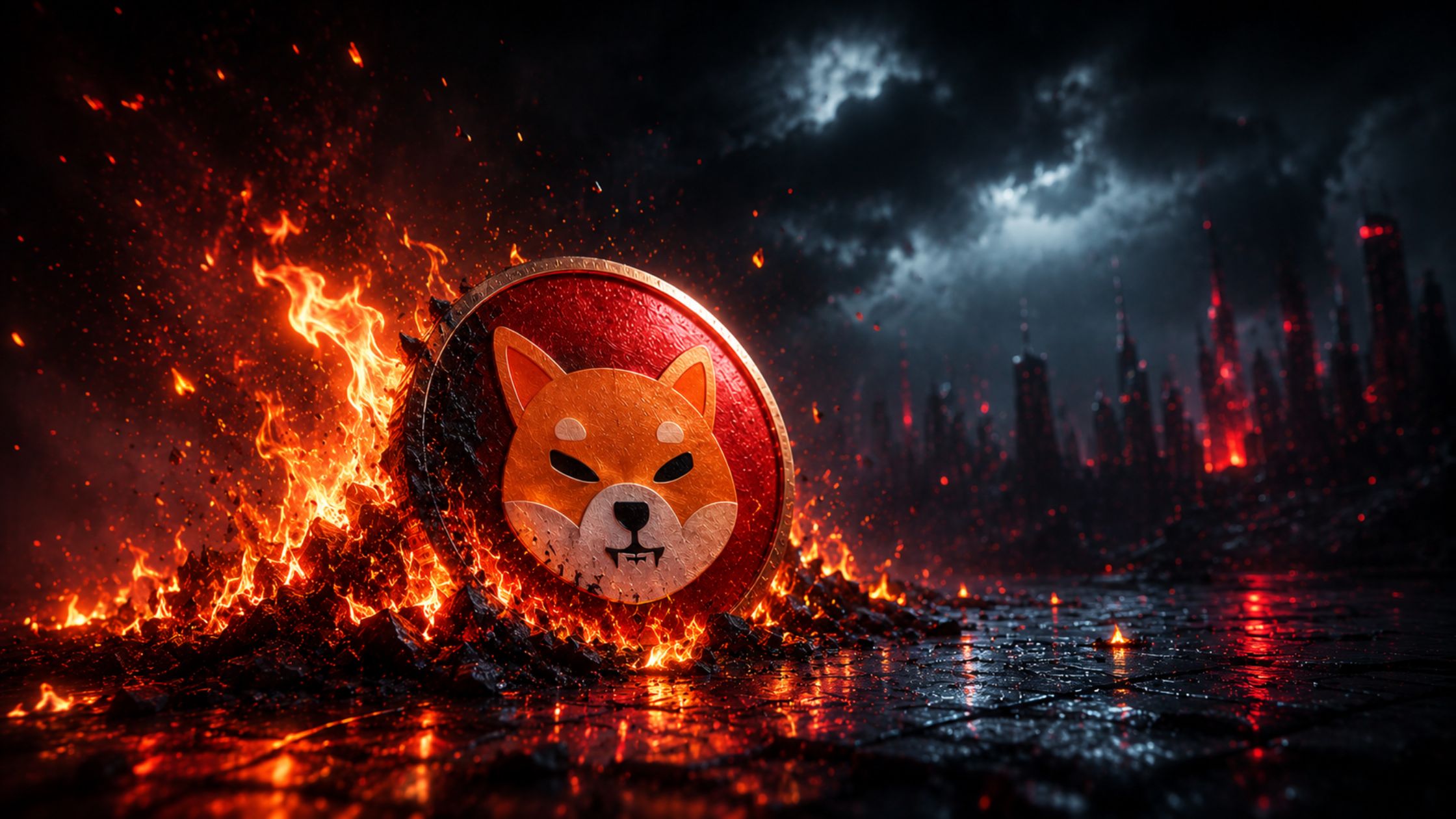
Shiba Inu burn activity has slowed sharply as SHIB reverses recent gains, while broader crypto weakness pressures the memecoin market. On August 26, SHIB fell more than 4% to $0.000005296 after gaining about 18% over the previous week. At the same time, burning activity weakened considerably, raising questions about short-term supply reduction and investor sentiment after a fast rally that briefly improved confidence among traders.
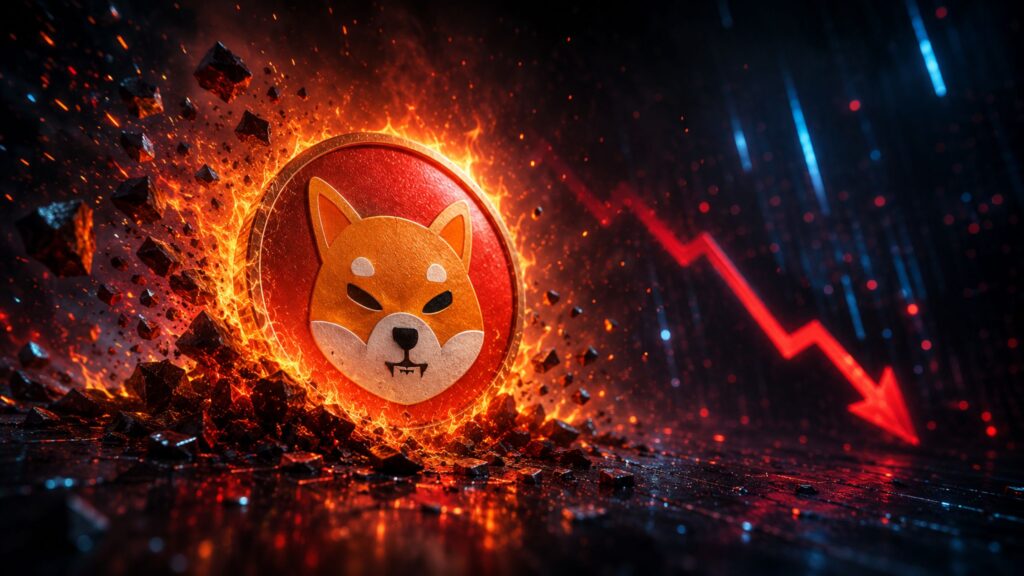
SHIB Price Drops After Weekly Rally
CoinGecko data shows SHIB trading at $0.000005296, down over 4% in 24 hours. Its market capitalization stood at approximately $3.121 billion, while daily trading volume reached $95.313 million. The decline followed a strong weekly advance, suggesting traders may have taken profits as crypto conditions turned weaker.
The broader crypto market also moved lower, indicating that SHIB’s decline was not necessarily caused by a token-specific development. Memecoins can be particularly sensitive to changes in risk appetite, making sharp reversals possible after rapid rallies.
Ecosystem Tokens Also Decline
Weakness spread across Shiba Inu’s ecosystem. TREAT declined 5.4% to $0.0002156, while BONE fell more than 4% to $0.05142. LEASH dropped 3.3% to approximately $0.000000000002046.
TREAT recorded the largest decline among the listed ecosystem tokens. The synchronized losses suggest that selling pressure affected several assets connected with the Shiba Inu ecosystem rather than SHIB alone.
Burn Activity Slows
Shiba Inu burn activity weakened after burn transactions paused for several hours. According to Shibburn, only 380,959 SHIB were destroyed in a single transaction after activity resumed.
The slowdown pushed the weekly burn rate down 28.32%, while the monthly rate declined 85.75%. Daily burning activity also fell by more than 34% over the reported period.
Shibburn data shows the weekly total fell from 41,106,747 SHIB on August 22 to 1,335,404 SHIB by August 26. Such a reduction means fewer tokens were removed from circulation during the period, potentially limiting the immediate supply-reduction effect.
What Do Lifetime Burn Numbers Show?
Despite the recent slowdown, cumulative burns remain substantial. Shibburn reports that 410,843,982,142,648 SHIB have been burned since tracking began. That represents approximately 41.08% of the original supply, leaving 58.92% in circulation.
Therefore, the latest decline should be viewed in the context of the much larger lifetime burn figure. A temporary reduction in activity does not erase the long-term amount already removed from supply.
Positive Shiba Inu Development in Japan
Not all Shiba Inu news is negative. SHIB became one of six digital assets supported by Nomura-backed Laser Digital Japan after the platform completed its regulatory registration, according to a post shared on X.
The development could improve SHIB’s visibility within regulated Japanese markets. However, available information does not provide specific trading-volume figures or a confirmed listing date, so its immediate market impact remains uncertain.

What Could Happen Next?
Shiba Inu burn activity will remain an important metric for investors tracking supply dynamics. However, price performance also depends on broader market sentiment, trading volume, liquidity, and demand.
The current crypto environment shows a combination of weaker SHIB price action and sharply reduced burns. If market sentiment improves, renewed activity could support interest. Conversely, continued selling and low burn participation could keep pressure on the token.
Conclusion
Shiba Inu burn activity has weakened significantly alongside SHIB’s latest price reversal. Although more than 410 trillion tokens have been burned historically, recent activity has slowed substantially. The Japan-related development provides a positive counterpoint, but traders should watch burn data, market conditions, and ecosystem performance before drawing conclusions. Crypto markets remain volatile, so independent research and careful risk management are essential.