
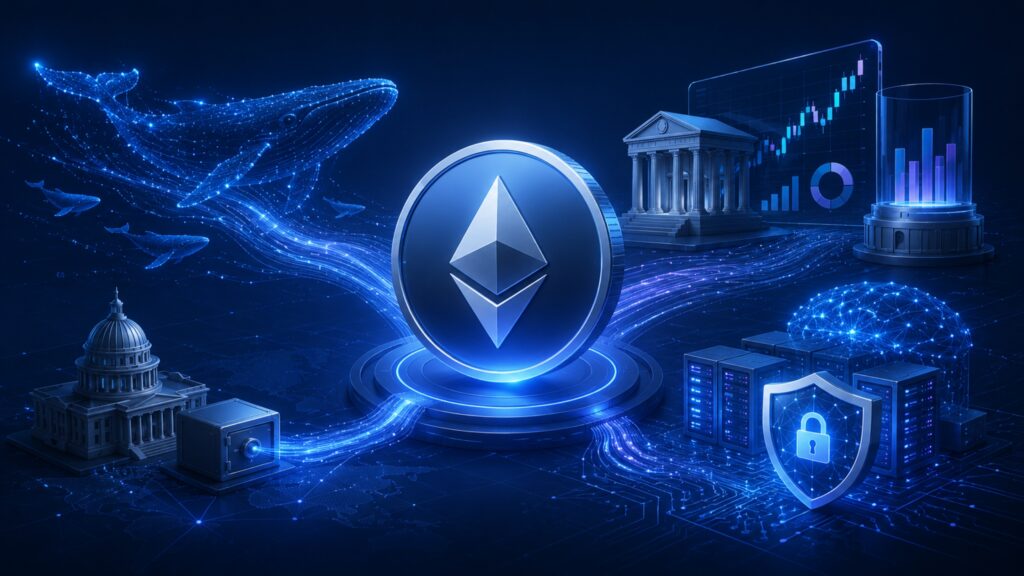
Ethereum news updates are gaining attention as whale trades, ETF filings, government transfers, infrastructure growth, and privacy upgrades arrive together. These developments may influence sentiment, adoption, and short-term price action. Traders should understand the catalyst behind each story before reacting. Together, they show how capital, regulation, institutional demand, artificial intelligence, and privacy are reshaping Ethereum’s wider market role.
Trader Turns $3,000 Into $2.85 Million
An on-chain tracker reported that a trader spent 1.6 ETH, worth about $3,000, to purchase 16.3 million CASHCAT tokens. The trader later sold the entire position for 1,527 ETH, valued at nearly $2.855 million. That represented an extraordinary 952-times return. Community members are now monitoring the wallet closely because unusually profitable trades often raise questions about timing, liquidity, and early access.
U.S. Government Transfers Seized Assets
Arkham reported that wallets linked to the U.S. government’s Bitfinex seizure moved about 5,939 ETH and 296,709 USDT, worth approximately $11.45 million, to Coinbase Prime. Another 901,005 USDC moved to a separate wallet.
Funds connected to the FTX and Alameda seizure case also transferred smaller holdings, including ETH, WBTC, COMP, and YFI. Altogether, nearly $12.9 million in seized crypto assets changed locations. Transfers to exchanges can create concerns about potential selling pressure, although movements alone do not confirm a sale.
Morgan Stanley and T. Rowe Price Advance ETFs
ETF analyst James Seyffart reported that Morgan Stanley updated filings for Ethereum and Solana ETFs under the tickers MSSE and MSOL. Both products reportedly carry a 0.14% fee.
Eric Balchunas also said T. Rowe Price’s actively managed TKNZ crypto ETF appeared close to launching, possibly on Thursday. These filings may expand regulated market access and encourage more institutional participation if the products receive final clearance and attract meaningful inflows.
Boundless Expands Into AI Inference
Zero-knowledge proof network Boundless announced plans to use its approximately 4,000 GPUs for artificial intelligence inference while continuing Ethereum and Base proof operations. The network completed hardware and routing upgrades to support the new workload.
Operators must stake ZKC tokens to participate. Early tests reportedly showed inference costs up to 50% lower than major cloud providers. This expansion could create another revenue source while connecting blockchain infrastructure with growing AI demand.
EthSystems Targets Institutional Privacy
EthSystems launched with support from BitMine, SharpLink, SNZ Holdings, and Ethereum co-founder Joseph Lubin. Former members of Ethereum’s privacy working group developed the company.
Its goal is to help regulated institutions conduct blockchain transactions while protecting sensitive information. Banks and financial firms often require privacy alongside compliance, making this development important for broader institutional adoption.
Starknet Introduces STRK20
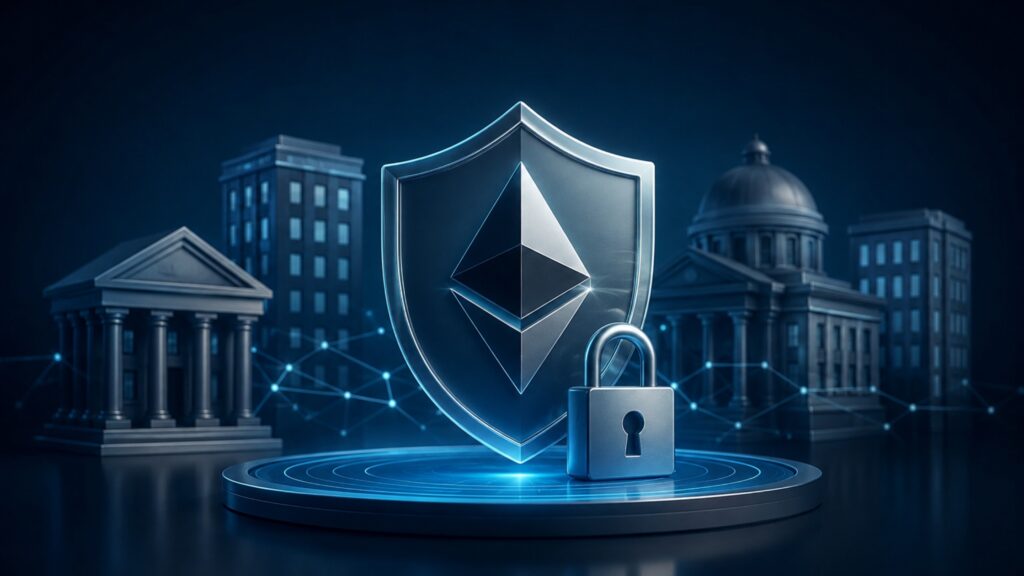
Starknet unveiled STRK20, a privacy framework designed to shield activity involving different assets. Users must complete a review before entering the private pool. Transactions remain encrypted, but selected information may be disclosed following a valid legal request and independent assessment.
The framework aims to support audits and stolen-asset investigations without exposing unrelated users. This compliance-focused model could make privacy tools more practical for institutions and regulated crypto services.
BitMine Purchases Another 6,000 ETH
Tom Lee’s BitMine reportedly acquired 6,000 ETH, worth about $11.18 million, from FalconX. The purchase continues its pattern of large Ethereum accumulation and strengthens the institutional buying narrative.
Conclusion
These seven developments show Ethereum expanding across trading, ETFs, AI infrastructure, privacy, and institutional investment. However, government transfers may create short-term uncertainty. Traders should monitor ETF launch dates, BitMine purchases, private adoption, and exchange inflows before making decisions in the fast-moving crypto market.