

Layer-2 blockchain project Taiko has issued an urgent warning after confirming that its chain state verification mechanism was compromised. The security flaw may affect every bridge deployed on the network, placing user funds and cross-chain transactions at risk. Blockaid reported that the incident had caused losses exceeding $1 million.
Taiko has advised users to withdraw assets from the affected bridges immediately. The project is working with its Security Council partners to contain the breach, pause vulnerable systems, and investigate the exploit.
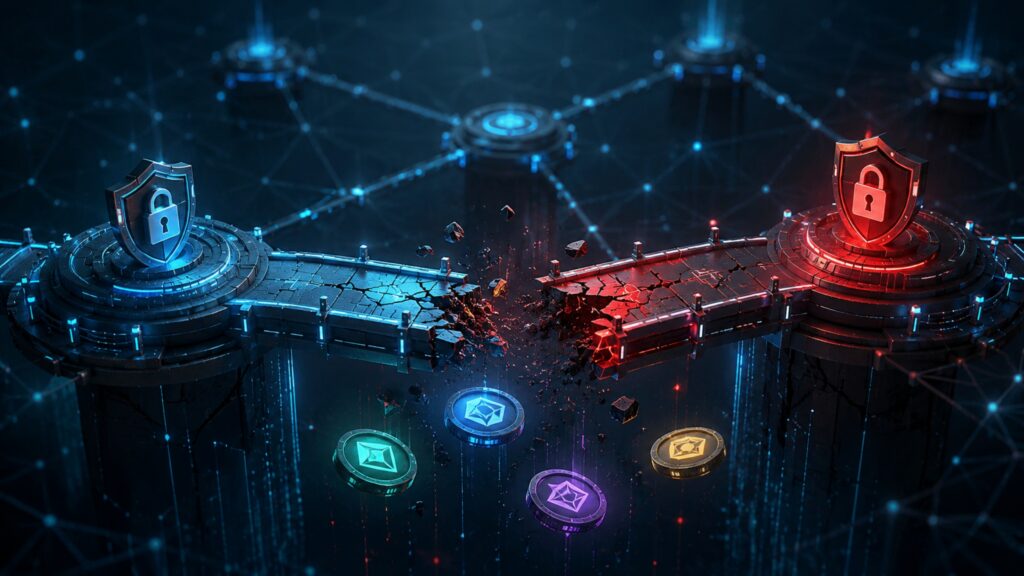
Taiko Confirms Verification Mechanism Failure
Since bridges depend on this process to confirm transactions, their security can no longer be trusted.
The team is working with partners while pausing systems to prevent further losses. The breach shows how one damaged verification component can create wider risks across a connected crypto network.
Taiko has not published a full technical report. The breach’s scope, affected users, and total losses remain uncertain.
Users Urged to Withdraw Bridge Funds
Taiko strongly advises users to remove funds from any bridge operating on its network without delay. Users should verify official links carefully, avoid unsolicited recovery messages, and remain alert for phishing attempts that may imitate the project’s communications.
The project also asked centralized exchanges to suspend TAIKO deposits until further notice. Stopping deposits could prevent attackers from selling compromised assets or obscuring stolen funds.
Taiko published several wallet addresses believed to be connected to the attacker. Exchanges and crypto security firms can monitor these addresses, flag transfers, and potentially freeze assets.
ERC20 Vault Attack Exceeds $1 Million
Before Taiko released its warning, Blockaid identified an ongoing exploit involving Taiko’s ERC20 Vault on Ethereum. The security company estimated that losses had surpassed $1 million at the time of its report.
Initial findings suggest that the attacker exploited a weakness in the bridge’s source-signal proof verification process. This component is designed to validate information used during cross-chain transactions. If manipulated, it may allow unauthorized withdrawals or false transaction data to be accepted as legitimate.
The final loss could rise as researchers identify additional transactions. Users should rely on confirmed updates from Taiko and recognized crypto security organizations rather than unverified social media claims.
Bridge Exploits Remain a Major Risk
Cross-chain bridges have repeatedly become targets because they manage valuable assets and connect separate blockchain environments. Weaknesses in their contracts, validators, proofs, or administrative controls can expose large pools of funds.
The Taiko breach adds to wider concerns about crypto infrastructure security. Bridge attacks have caused substantial losses across the industry, demonstrating that rapid interoperability can introduce complex technical risks. Independent audits, real-time monitoring, withdrawal limits, emergency pauses, and transparent incident responses can reduce exposure but cannot remove every threat.
The incident may also create short-term pressure on the TAIKO token. However, the market impact will depend on the confirmed losses, the duration of the deposit suspensions, the quality of Taiko’s response, and whether the team can safely restore bridge services as the investigation and recovery process continues.
Conclusion
Taiko’s recovery depends on containing the exploit, correcting the verification failure, protecting remaining funds, and communicating openly with users. The team must also rebuild confidence in its bridge infrastructure and cooperate with exchanges to track stolen assets. Until Taiko confirms that systems are secure, users should follow official instructions and avoid affected bridges. This crypto incident reinforces the importance of cautious bridge use, wallet verification, and strong risk management across decentralized finance.