

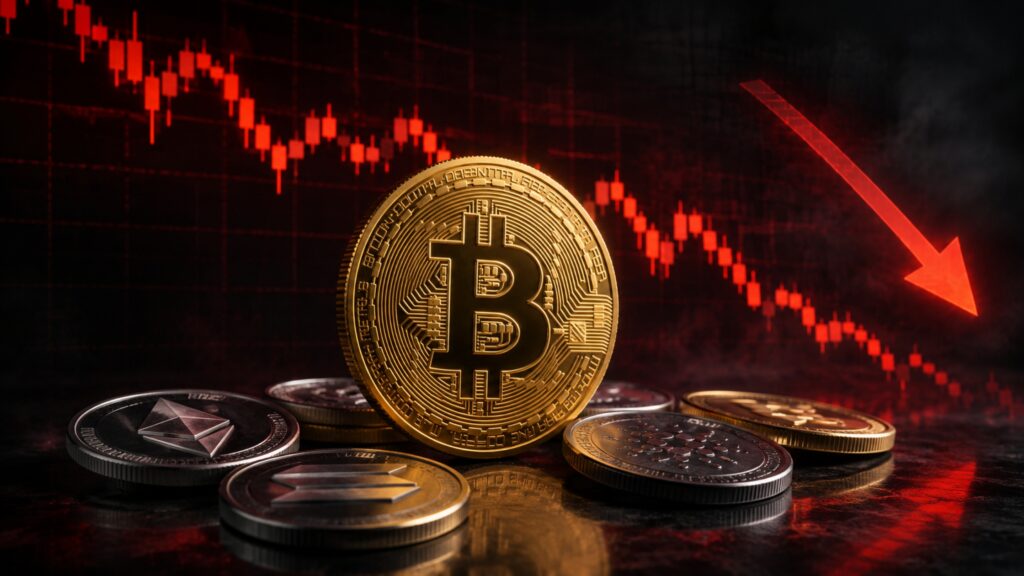
Bitcoin is trading near $62,700 to $63,000 after falling about 2% over the past 24 hours. Ethereum and several major altcoins are also moving lower as investors reduce exposure to risky assets. Although the recent U.S.-Iran peace agreement initially improved sentiment, traders are now focusing on possible delays, conditions, and implementation risks.
Peace Deal Optimism Begins to Fade
The Islamabad Memorandum, signed June 17–18, introduced a 14-point framework to end hostilities, reopen the Strait of Hormuz, and provide limited sanctions relief for Iran. The announcement initially triggered a relief rally across global markets, including crypto assets.
However, optimism weakened as investors examined the deal. The deal depends on phased naval withdrawals, verification, nuclear discussions, and compliance from both sides. Delays or disagreements could threaten progress, prompting traders to take profits and reduce leveraged positions opened during the initial enthusiasm.
Bitcoin climbed above $US66,000 as peace expectations rose. When it fell below the $64,000–$66,000 support zone, stop-losses and liquidations accelerated the decline. Ethereum and other high-beta assets followed because they often react strongly to changes in global risk sentiment.
Sanctions Relief Creates Mixed Market Signals
The agreement allows Iran to resume some oil exports and access selected frozen assets. Broader sanctions relief may follow if Iran meets nuclear requirements, including uranium stockpile reductions and stronger international oversight.
This development has both positive and negative implications for the crypto market. Successful implementation could stabilize energy supplies, reduce oil prices, and ease inflation concerns. Lower inflation expectations may encourage softer monetary policy, which often supports Bitcoin, Ethereum, and growth-focused altcoins.
However, complete sanctions removal is not guaranteed. It depends on progress during a 60-day negotiation period. Traders remain concerned that disputes over inspections, compliance, or diplomatic commitments could delay the process. Many investors purchased assets before the agreement, expecting a strong relief rally. Now they are closing positions as attention shifts from headlines to practical execution.
This helps explain why digital assets are falling more sharply than some traditional markets. Equities and oil have shown modest stabilization, while crypto prices remain more volatile because of leverage, lower liquidity, and rapid speculative positioning.
Technical Selling Adds More Pressure
The wider correction that began earlier in June helps explain why Bitcoin and crypto are falling today. The asset remains far below its 2025 high near $126,000 and is testing the $60,000 to $62,000 support range.
Some indicators suggest oversold conditions, but short-term momentum remains weak. Selling volume in perpetual futures is elevated, while many altcoins have dropped between 4% and 7%. Investors are moving toward safer assets as uncertainty continues.
The coming days may determine whether the market stabilizes or falls further. Progress in follow-up negotiations, including talks in Switzerland, could rebuild confidence. Clear nuclear agreements, successful sanctions relief, and lower energy costs may support a recovery.
In contrast, ceasefire violations, verification disputes, or delayed sanctions changes could push Bitcoin toward lower support levels. Traders are also monitoring exchange-traded fund flows, on-chain activity, liquidation data, and diplomatic updates.

Conclusion
Today’s market decline reflects profit-taking, technical breakdowns, leveraged liquidations, and uncertainty surrounding the US-Iran agreement. The peace deal reduced immediate geopolitical risk, but its conditional structure has prevented lasting confidence. Until the implementation becomes clearer, crypto traders may remain cautious. Bitcoin’s $60,000 to $62,000 support zone will be important, while future diplomatic progress could determine whether the market rebounds or experiences another wave of selling. Volatility may persist until both sides demonstrate clear compliance.