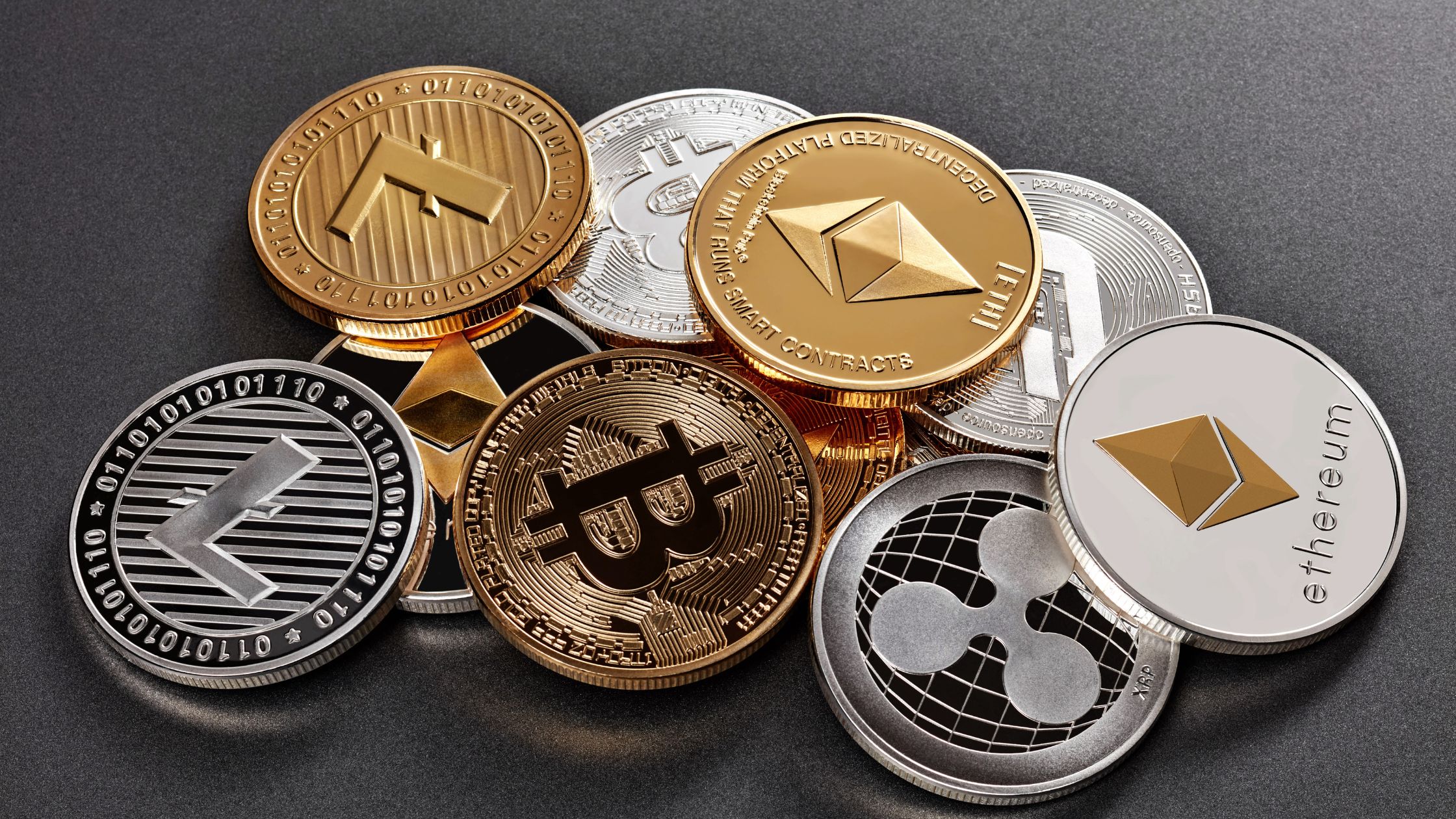
There are thousands of cryptocurrencies in the market, but only a small number have strong real-world use. Many coins are driven by hype, short-term trading, or speculation. However, some crypto projects are built to solve real problems and support useful services.
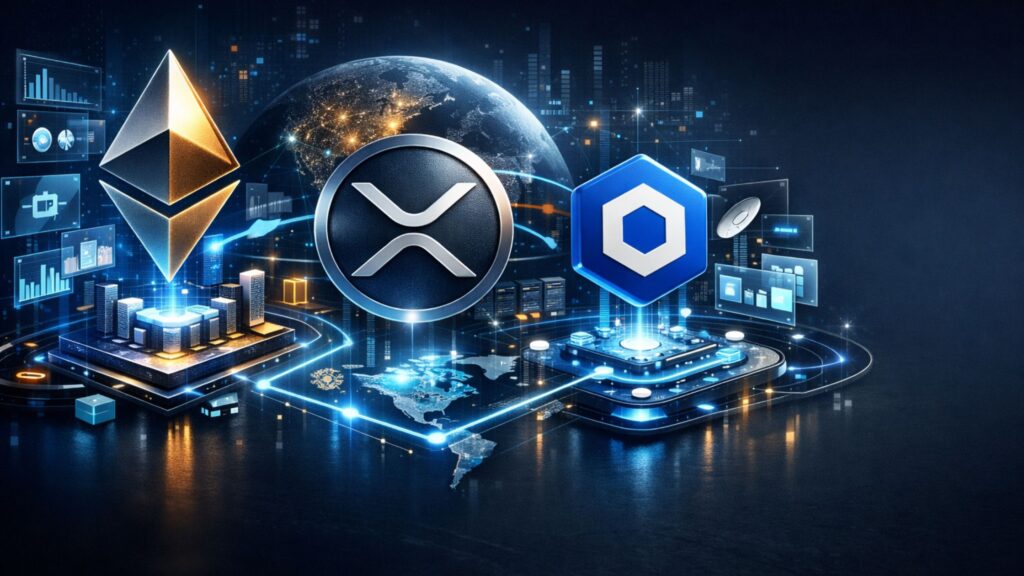
These are the kinds of cryptocurrencies that may have better long-term potential. As their networks grow and new use cases appear, their value could also rise over time. Among the many options available today, three names stand out for their practical use: Ethereum, XRP, and Chainlink.
Ethereum Leads With a Wide Range of Use Cases
Ethereum is often seen as the biggest utility-focused cryptocurrency in the world. It is much more than a digital coin. In fact, it is a large blockchain platform that supports many apps, services, and financial tools.
Whenever users make transactions on the Ethereum network, they must pay gas fees. These fees are paid in Ether, which is the native token of Ethereum. Because of this, Ether plays a central role in everything built on the network.
Ethereum is widely used in decentralized finance, also known as DeFi. People use it to lend, borrow, trade, and earn yield through blockchain-based services. It is also a major network for NFT marketplaces and decentralized applications.
This broad usage gives Ethereum strong real-world value. As more developers build on the network, demand for Ether can continue to grow. In the future, Ethereum may also support more AI-powered tools and advanced blockchain projects.
XRP Focuses on Fast and Low-Cost Payments
XRP is another cryptocurrency with a clear real-world purpose. It is mainly known for helping move money quickly across borders. This makes it useful for banks, payment companies, and financial institutions that want faster and cheaper international transfers.
XRP is closely connected to Ripple, the fintech company that helped develop the technology behind it. The XRP Ledger is designed to process transactions efficiently, and the XRP token plays an important role in that system.
One of the most practical use cases for XRP is sending money abroad. Traditional international transfers can be slow and expensive. XRP offers a different option that may reduce both time and cost.
Because of this, XRP has gained attention from large financial players. It is often called a bridge asset because it helps transfer value between currencies and payment systems. That practical role continues to make XRP an important name in the crypto space.
Chainlink Connects Blockchain With Real-World Data
Chainlink is different from Ethereum and XRP, but it also has strong real-world value. It is known as a decentralized oracle network. In simple words, Chainlink helps blockchain systems access real-world data.
This is very important because blockchains cannot easily pull outside information on their own. Smart contracts often need real-time data, such as prices, market conditions, or other external details. Chainlink provides that link.
For example, decentralized finance platforms often rely on price feeds to operate correctly. Without trusted price data, many blockchain-based financial services would not work as intended.
Chainlink is also becoming more important in the area of real-world asset tokenization. This includes turning assets like stocks, bonds, or other financial products into digital tokens. Chainlink helps these projects by supplying data and supporting communication between different blockchain networks.
That makes Chainlink a valuable part of the growing blockchain ecosystem.
Why These Coins Still Face Challenges
Even though Ethereum, XRP, and Chainlink have useful roles, that does not mean their prices always go up. In fact, all three have faced weakness in 2026 and remain below their all-time highs.
There are several reasons for this. Ethereum faces rising competition from other fast-growing blockchains. XRP is dealing with growing interest in stablecoins, which are also being used for payments. Chainlink, while useful, still depends on wider adoption across the crypto and financial sectors.
This is why investors should always do careful research before buying any cryptocurrency.
Final Thoughts
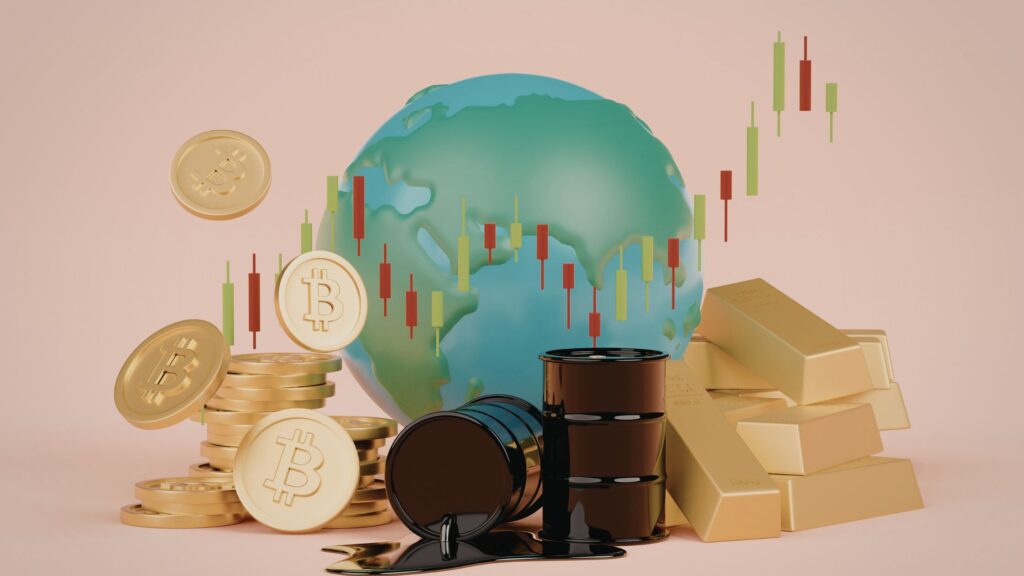
When looking for cryptocurrencies with real-world utility, Ethereum, XRP, and Chainlink deserve attention. Ethereum powers a large blockchain economy, XRP helps improve cross-border payments, and Chainlink brings real-world data into blockchain systems.
Each of these projects offers more than just hype. They are tied to practical functions that could matter more as the crypto market matures. Still, every investment carries risk, so it is important to understand both the opportunity and the challenges before making a decision.