
The recent conflict involving Iran, Israel, and the United States has made many investors nervous. Whenever global tensions rise, financial markets often react quickly. Crypto is no exception. However, even with this uncertainty, major cryptocurrencies like Bitcoin, Ethereum, Solana, and XRP have remained relatively stable.
Bitcoin fell briefly after the conflict escalated, but it soon moved back above $71,000. Two weeks later, it is still trading near that level. Other major coins have also shown strength despite market volatility.
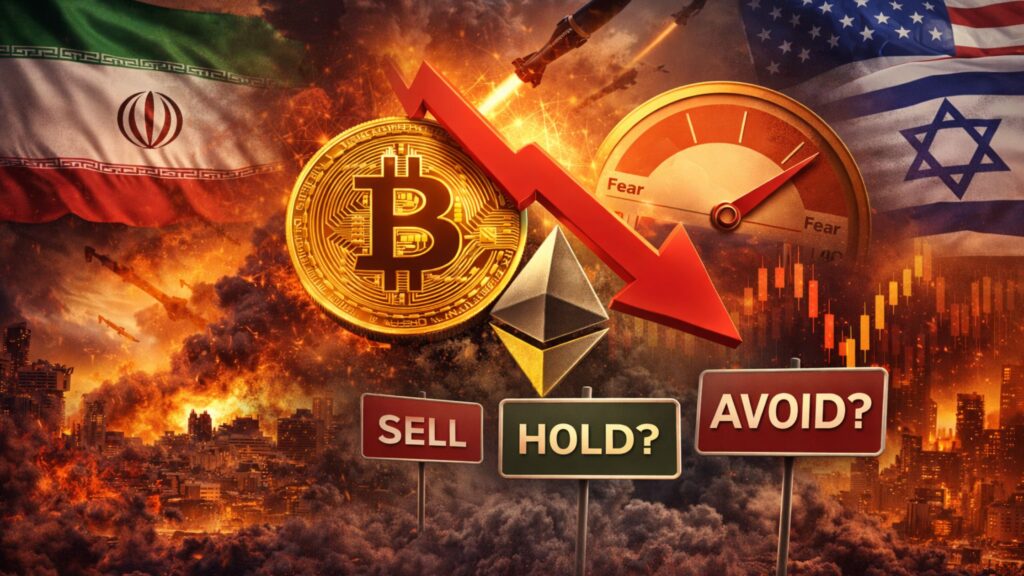
So, should you sell your crypto now? In most cases, the answer is no. Still, the situation deserves a closer look before making any decision.
Crypto Has Very Little Direct Exposure
The first thing to understand is that most major cryptocurrencies do not have major direct exposure to this conflict. Bitcoin, Ethereum, Solana, and XRP are global digital assets. They do not depend heavily on operations in Iran, Israel, or Lebanon.
Mining activity linked to this region is limited when compared with the global Bitcoin network. Even when unofficial activity is included, the share is still small overall. In addition, these countries do not hold enough crypto reserves to create a major direct market shock.
Because of this, the conflict does not damage the long-term purpose or technology behind these cryptocurrencies. Their networks continue to operate normally. Their value is not directly tied to the political events happening in the region.
The Bigger Risk Is Indirect
Even though crypto may not face direct damage, it can still suffer from global economic pressure. That is where the real risk begins.
One major concern is the Strait of Hormuz. This important route handles a large share of the world’s oil shipments. If oil flow slows down or stops, energy prices could rise sharply. That would increase inflation pressure and hurt global growth.
If that happens, the broader economy could weaken. Investors usually respond to that kind of stress by moving away from risky assets. Unfortunately, crypto is still seen as a risk asset by many traders. So, when fear rises, crypto often gets sold along with growth stocks and other volatile investments.
In other words, the problem is not that Bitcoin or Ethereum suddenly become weak projects. The problem is that investors may sell them simply because they want cash and safety during a crisis.
What This Means for Investors
Your decision should depend mostly on your time horizon. If you may need your money in the next few years, this is a good time to be careful. The current global environment is uncertain. Rising oil prices, weaker growth, and fear in financial markets could create more downside in crypto over the short term.
On the other hand, if you are investing for the long run and can handle volatility, this conflict does not completely change the case for owning major cryptocurrencies. Bitcoin, Ethereum, Solana, and XRP still have the same long-term narratives they had before the conflict intensified.
That means panic selling may not be the best choice. Selling during fear often locks in losses and removes your chance to benefit if the market recovers later.
Should You Avoid Buying More?
You do not necessarily need to avoid crypto completely, but this may not be the best time to buy aggressively unless you are comfortable with risk.
A cautious approach makes more sense. Instead of rushing in, many investors may prefer to buy slowly over time. This reduces the pressure of trying to predict the perfect entry point. The key is to stay realistic. Crypto can remain volatile while geopolitical and economic risks stay high. So, buying carefully is often better than making emotional moves.
Final Thoughts
The Iran conflict has created fear, but it has not broken the foundation of major cryptocurrencies. Bitcoin and other top coins still have limited direct exposure to the situation. The real danger comes from the wider economic effects, especially if the conflict pushes oil prices higher and weakens global markets.
For short-term investors, caution is wise. For long-term investors, this may be more of a volatility event than a reason to exit completely. In most cases, making decisions based on panic is not the smartest move.