
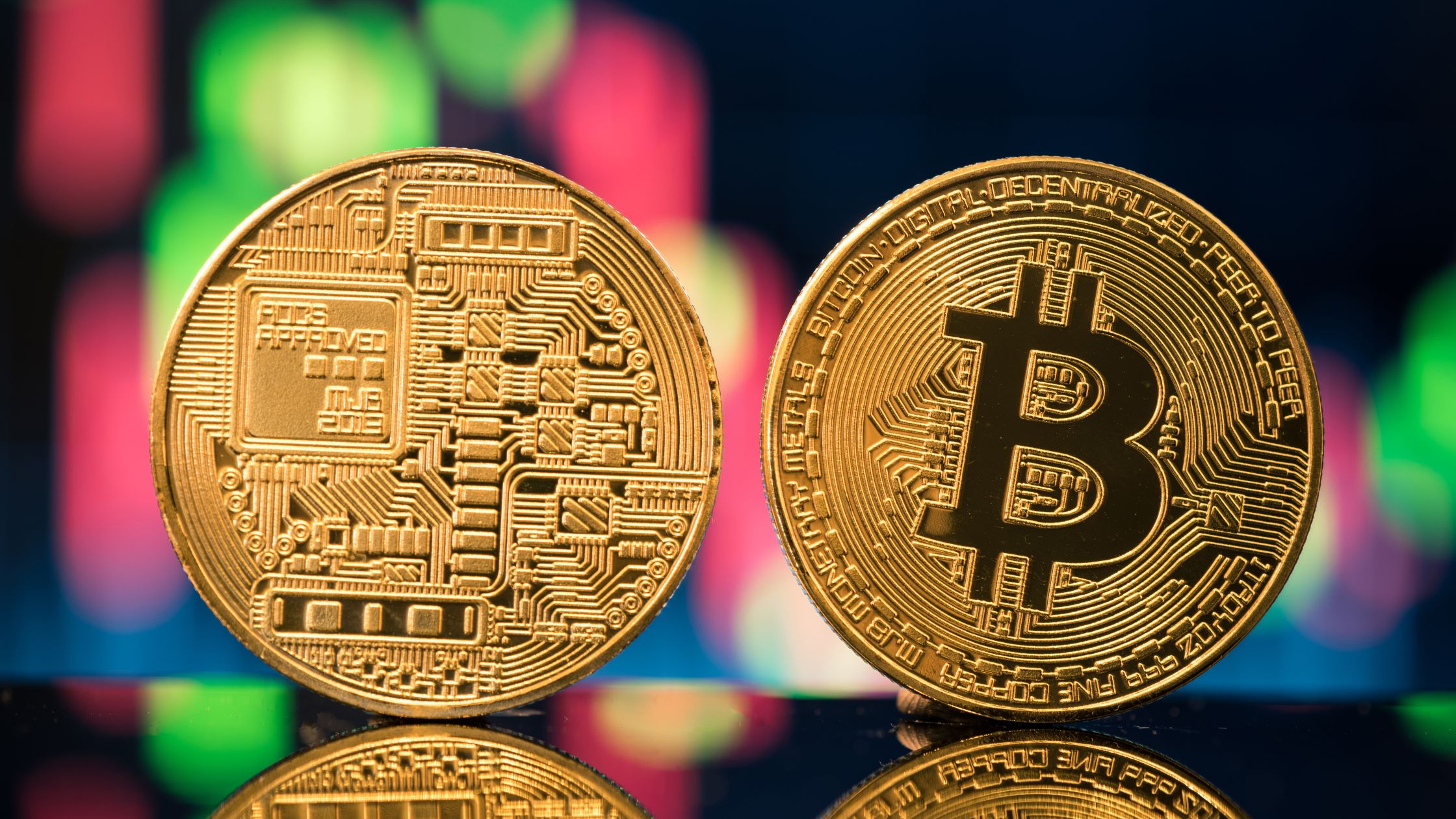
Bitcoin has recently faced market pressure. Since reaching a peak in October 2025, the price has fallen about 46% as of early March. Short-term declines like this often create uncertainty among investors.
However, looking only at recent price movement does not show the full picture. Over the last decade, Bitcoin has delivered extraordinary growth, rising more than 16,000%. Because of this long-term performance, many investors are now asking an important question: where could Bitcoin be in 2036?
Instead of focusing only on price predictions, it is more useful to examine how Bitcoin may evolve over the next decade.

Growing Regulatory Acceptance
One major factor that could shape Bitcoin in 2036 is regulatory progress. In recent years, governments have started taking digital assets more seriously. Some policymakers have even suggested that Bitcoin could play a role in national financial strategies.
For example, initiatives such as strategic Bitcoin reserves and supportive regulatory discussions show that government attitudes are gradually shifting. Over the next ten years, more countries could recognize Bitcoin as a legitimate financial asset.
It is possible that governments may begin accumulating Bitcoin as part of their financial reserves. Additionally, favorable tax policies could encourage the use of Bitcoin for payments and transactions.
If regulatory clarity improves globally, Bitcoin adoption could grow significantly.
Deeper Integration With Traditional Finance
Another important trend is Bitcoin’s growing connection with the traditional financial industry. Major financial institutions have already started integrating Bitcoin into their services.
The launch of spot Bitcoin exchange-traded funds (ETFs) in 2024 was a major milestone. Products like the iShares Bitcoin Trust allowed institutional investors to gain exposure to Bitcoin through regulated markets.
As time passes, more financial products connected to Bitcoin may emerge. These could include lending services, investment products, and innovative financial tools built around digital assets.
Financial companies are constantly searching for new revenue opportunities. Because of this, Bitcoin may become even more deeply integrated into banking, investment, and payment systems.
Strong Network Security and Technology
Since Bitcoin’s launch in 2009, its network has never been successfully hacked. This long history highlights the strength of its design.
Bitcoin security depends on a powerful network of computers that verify transactions and maintain the blockchain. This network is supported by a continuously increasing hash rate, which measures the computational power protecting the system.
Some critics have raised concerns about emerging technologies such as quantum computing. They argue that advanced computing power could eventually threaten blockchain security.
However, developers are already working on potential solutions. The Bitcoin network has the ability to upgrade and adapt through community proposals and technological improvements. This adaptability makes the system more resilient over time.
By 2036, Bitcoin’s technology is likely to be stronger and more secure than it is today.
Could Bitcoin Compete With Gold?
Many analysts compare Bitcoin with gold because both assets are often viewed as stores of value.
Currently, Bitcoin’s market value is much smaller than gold’s. Gold has a total market capitalization of more than $35 trillion, while Bitcoin’s valuation is significantly lower.
However, Bitcoin has several advantages. It is entirely digital, easy to transfer, and has a fixed supply limit of 21 million coins. No government or institution controls it.
Gold’s biggest advantage is its long history. Humans have trusted gold as a store of value for thousands of years. Central banks also hold large amounts of gold as reserves.
Despite this, Bitcoin’s digital nature may allow it to gradually gain market share. If Bitcoin eventually reaches half the market value of gold, its total valuation could rise dramatically.
Some projections suggest that this scenario could push Bitcoin’s price close to $900,000 by 2036.

Long-Term Outlook
Predicting the exact price of Bitcoin in 2036 is impossible. However, several long-term trends suggest continued development and adoption. Regulatory acceptance may increase. Financial institutions may create more Bitcoin-based products. The technology behind the network will likely become stronger and more secure.
If these trends continue, Bitcoin could become a much more important part of the global financial system over the next decade. While short-term volatility will always exist, the long-term future of Bitcoin may depend more on adoption and technological progress than on temporary market fluctuations.