
Bitcoin dropped sharply after reports confirmed that the United States and Israel launched a coordinated military strike on Iran early Saturday. The sudden escalation in geopolitical tension shook global markets. As a result, Bitcoin fell to nearly $63,000, extending its daily losses to almost 7%.
Investors reacted quickly. In moments of global uncertainty, traders often move away from high-risk assets. This time was no different. The cryptocurrency market faced immediate selling pressure as fears of a broader conflict increased.
Military Strike Escalates Regional Tensions
Israeli Defense Minister Israel Katz described the operation as a “preemptive strike.” According to official statements, the action aimed to neutralize what leaders called an immediate threat. Shortly after the strike, Israel declared a nationwide state of emergency. Authorities warned citizens to prepare for possible retaliation from Iran, including drone and ballistic missile attacks.
Meanwhile, reports from CNN stated that Washington and Jerusalem coordinated the strike together. Although officials confirmed joint involvement, they did not disclose specific targets. However, the situation clearly signals a serious shift in regional stability.
Over the past few weeks, tensions between the United States and Iran had already been rising. Washington recently labeled Iran as a State Sponsor of Wrongful Detention. U.S. officials accused Tehran of detaining American citizens for political leverage. At the same time, the United States strengthened its military presence in the region. Advanced fighter jets and additional defense assets were deployed to Israel and nearby areas.
These developments created an already fragile atmosphere. Therefore, when news of the strike broke, markets reacted instantly.
Bitcoin Drops and Erases Recent Gains
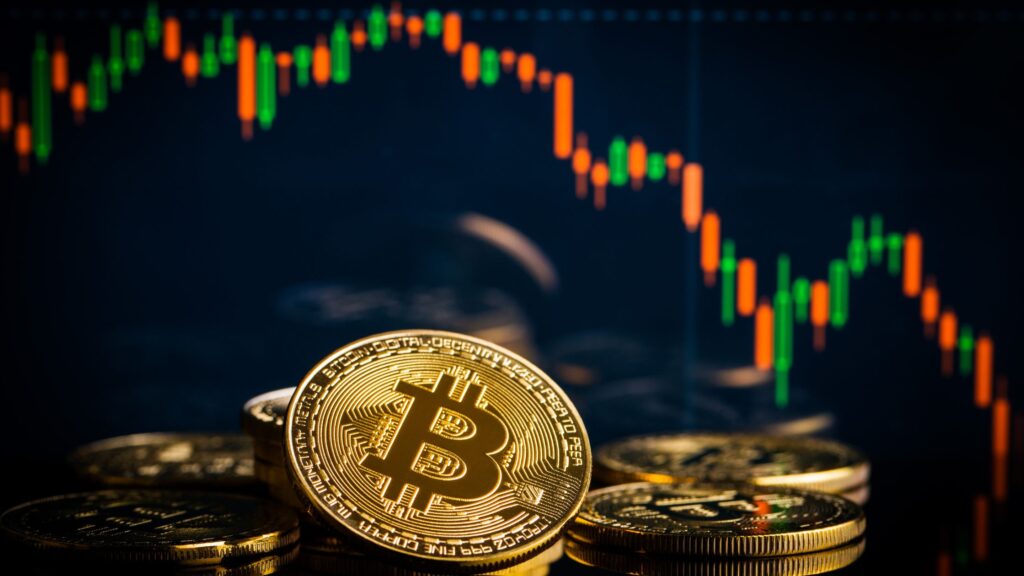
Bitcoin experienced a rapid decline after the announcement. Within 24 hours, the cryptocurrency lost more than 6% of its value. Prices slid to approximately $63,300, wiping out recent recovery gains.
Earlier in the week, Bitcoin had shown signs of stabilization. However, geopolitical uncertainty reversed that progress quickly. Investors began reducing exposure to volatile assets. As a result, Bitcoin and other cryptocurrencies faced heavy selling pressure.
Historically, Bitcoin reacts strongly to global risk events. While some view it as a hedge, short-term traders often treat it as a risk asset. During times of crisis, many investors prefer cash, gold, or government bonds. Consequently, digital assets tend to fall when global tensions rise suddenly.
Markets Brace for Possible Retaliation
The next steps from Iran remain uncertain. If Iran directly targets Israeli or U.S. assets, the conflict could escalate further. Such a scenario would likely increase volatility across global markets.
Energy markets are especially sensitive right now. Iran plays a key role in global oil routes. Any disruption in oil supply chains could push energy prices higher. Rising oil prices would then affect inflation, interest rate expectations, and overall market sentiment.
Therefore, traders are closely monitoring developments in the Middle East. Even small updates could move markets sharply.
What This Means for Crypto Investors
For crypto investors, the situation highlights how global events can influence digital assets. Although Bitcoin operates independently of traditional banking systems, it does not exist in isolation from global politics. Investor psychology plays a major role in price movements.
In the short term, uncertainty usually leads to volatility. If tensions calm down, Bitcoin could recover. However, if conflict intensifies, markets may remain under pressure.
At this stage, traders are watching for clarity. Military updates, diplomatic responses, and energy market reactions will likely determine the next direction for Bitcoin and broader financial markets.
In summary, the joint strike by the United States and Israel on Iran triggered immediate market turbulence. Bitcoin fell sharply as investors reduced risk exposure. While the long-term impact remains unclear, short-term volatility is likely to continue as the geopolitical situation unfolds.